Encouraging the Use of Environmentally Friendly Building Materials
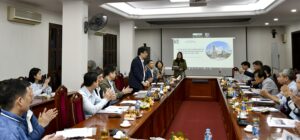
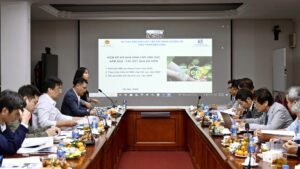
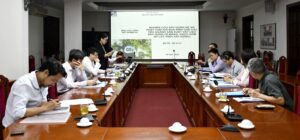
The Ministry of Construction is finalising a draft Decree to replace the Government’s Decree No. 124/2007/ND-CP dated 31 July 2007 on the management of building materials. The draft Decree is currently being circulated for comments from relevant ministries and sectors before submission to the Government for promulgation.
Many incentives for new building materials
To facilitate the development of building materials by domestic and foreign organisations and individuals, the State has policies to encourage research and application of science and technology in producing new building materials that save energy and resources, protect the environment and respond to climate change; investment in and production of environmentally friendly building materials; and the development of technical infrastructure in a synchronised manner consistent with building materials development planning. In addition, the State encourages and facilitates organisations and individuals investing in, producing and trading building materials that use industrial, agricultural and municipal waste as fuels and raw materials.
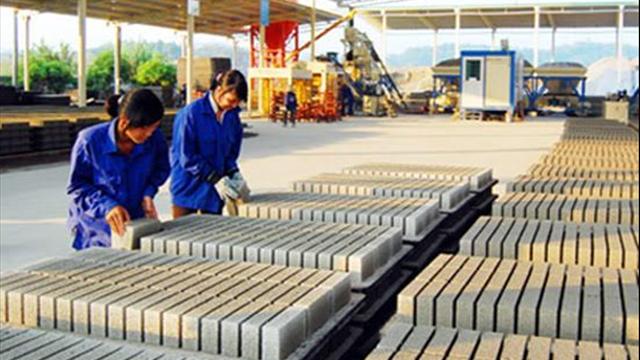
Investment projects in the building materials sector located in investment-incentive areas are entitled to investment incentives in accordance with the law. Projects manufacturing equipment for producing lightweight unfired building materials and producing cement–aggregate bricks with a capacity of 7 million standard bricks per year or more are entitled to investment incentives. Priority is given to the rational, economical and efficient exploitation and use of mineral resources for building materials, meeting the requirements of sustainable socio-economic development, national defence, security and environmental protection.
Comprehensive planning for building materials
Master planning for building materials development plays an important role in orienting effective development. The draft Decree specifies that the master plan must determine the position and role of the sector in the national economy and its development objectives; analyse and forecast demand for development factors, the potential of mineral resources for building materials, resources, markets, technological factors and competitiveness requirements; and analyse and evaluate the current development of the national building materials sector, the exploration, exploitation and use of mineral resources for building materials, investment resources, policy mechanisms and solutions for management and resource mobilisation, the regional distribution of the sector, the structure of main product types, investment, technology, labour, production organisation and competitiveness.
Planning for the development of key building materials must analyse and evaluate information and data on the national potential of mineral resources for producing building materials for the relevant products and other resources in which Viet Nam has strengths; forecast domestic, regional and global consumption markets and imports and exports of key building materials; develop methods for calculating market demand by time milestones and competitive advantage; and propose principles and options for balancing supply and demand for key building materials by time milestones.
Clear responsibilities for each agency
For state management of activities in the building materials sector, the draft Decree clearly defines the responsibilities of the relevant agencies. The Ministry of Construction is responsible for developing, promulgating or submitting to competent authorities for promulgation, and organising the implementation of, legal documents on activities in the building materials sector; developing and promulgating national technical regulations on minerals for building materials production and on building material products; and uniformly managing production activities and the quality of minerals for building materials production and of building material products.
Provincial People’s Committees are responsible for state management of building materials activities in their localities, including organising the implementation of legal documents within their authority; monitoring, compiling statistics and summarising building materials activities; disseminating and guiding the law and providing information on building materials activities; and reporting periodically or ad hoc to the Ministry of Construction on local building materials activities.
According to Thanh Luan / Construction Newspaper