Launch of the Project “Development of Passive Radiative Cooling Materials Adapted to Hot and Humid Climates in Southeast Asia and Green Retrofit Demonstration”
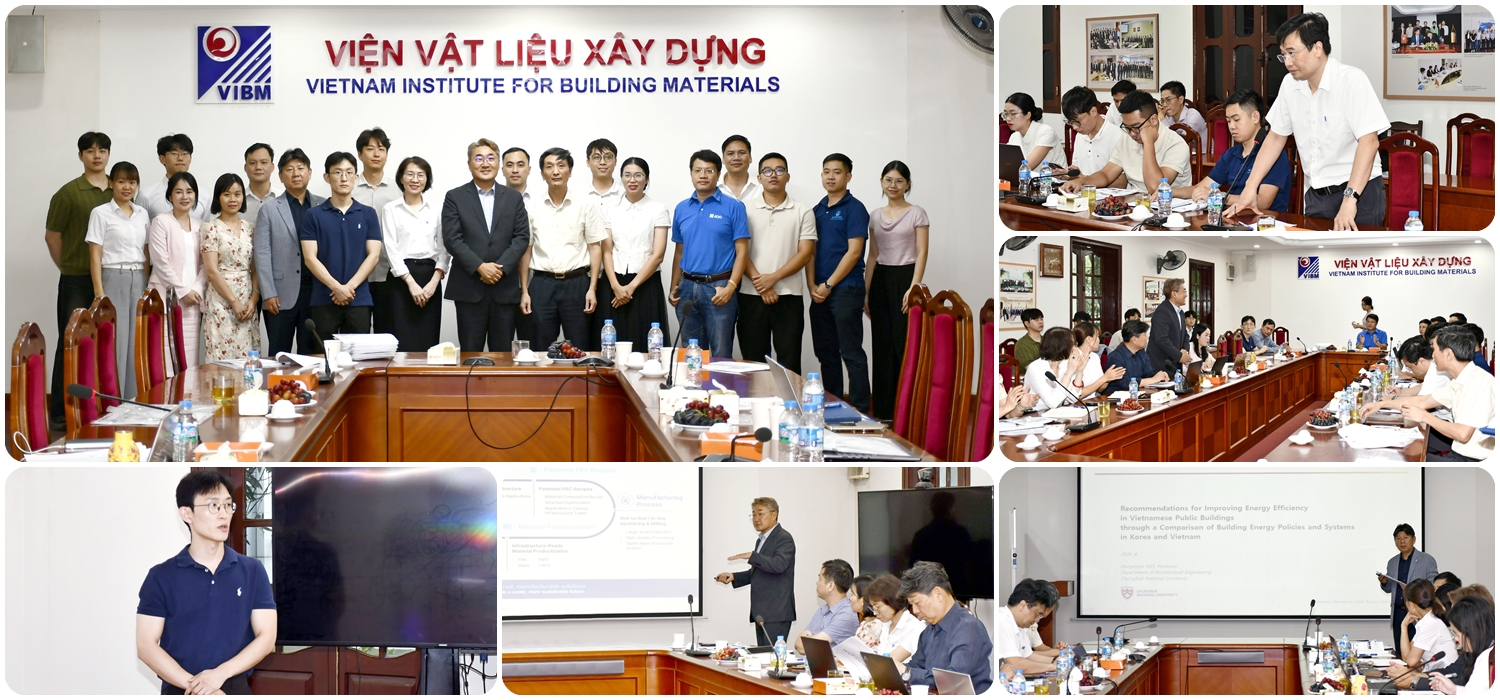
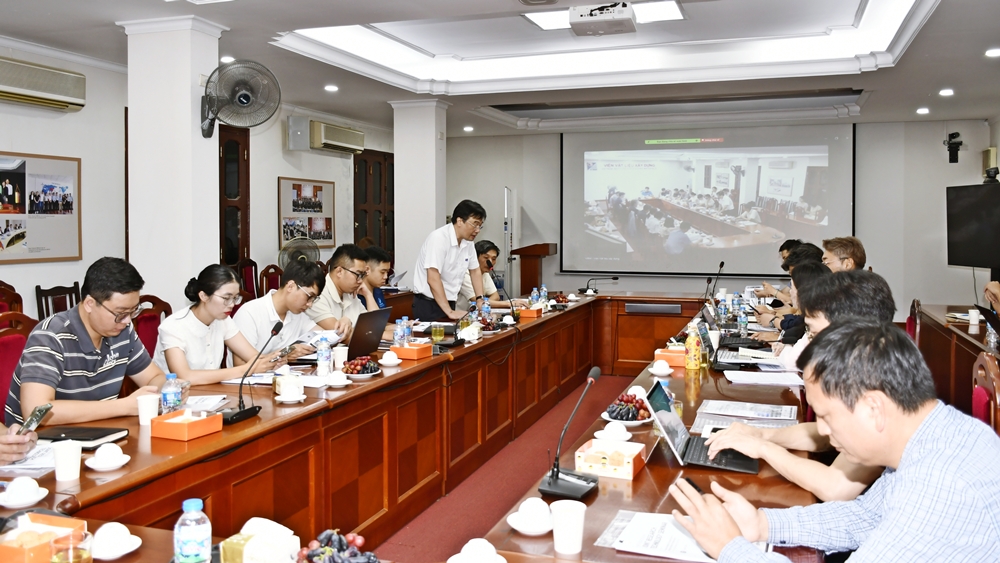
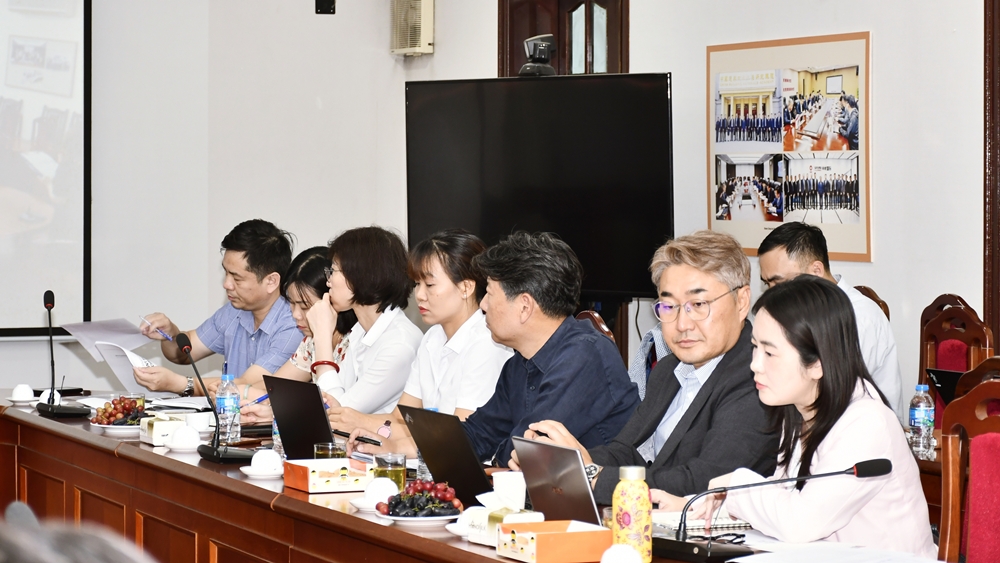
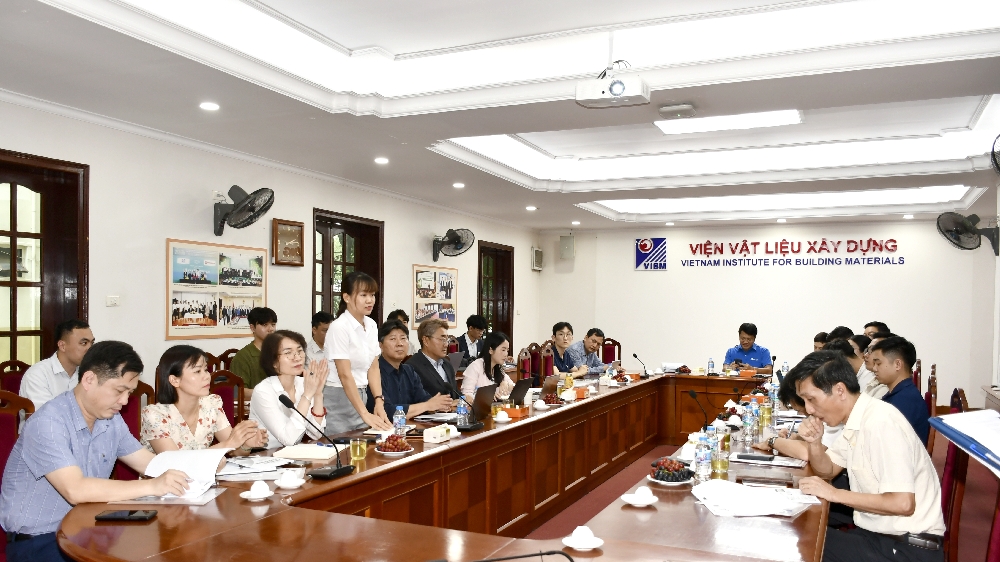
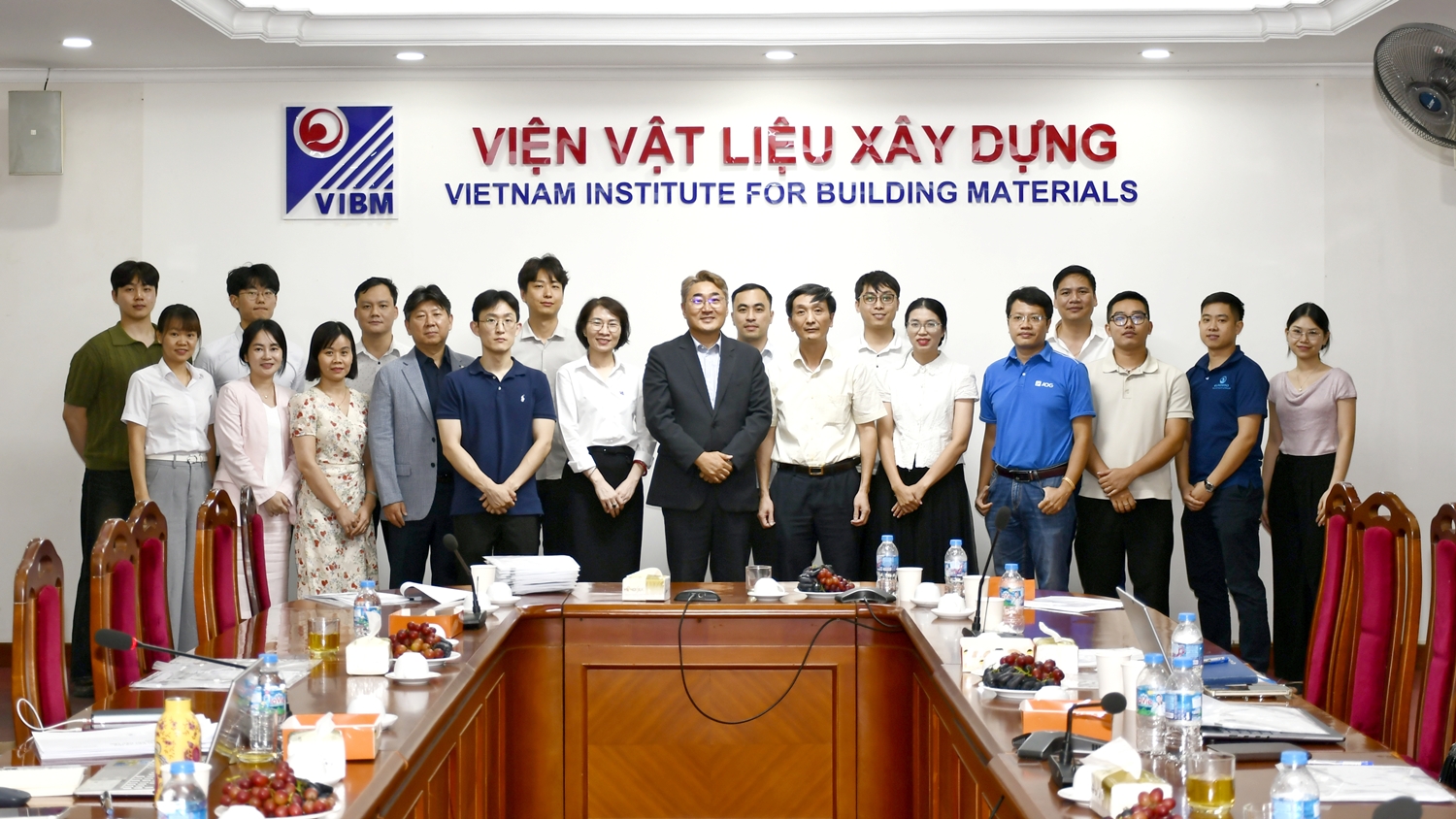
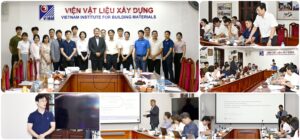
Attending the workshop on the Vietnamese side were Mr. Dang Huy Dong – Chairman of the Vietnam Green Transition Association and former Deputy Minister of Planning and Investment; Mr. Nguyen Quang Hiep – Director of VIBM; Mr. Nguyen Van Huynh – Deputy Director of VIBM, together with representatives of the Institute’s specialised units. On the Korean side were Dr. Sung Uk Joo – Chief Technology Officer of FOEL Co., Ltd.; Prof. Seo Dong Hyun – CBNU; Dr. Kim Young Jae – KICET, together with experts, scientists and enterprises in the field of green building materials from Viet Nam and Korea.
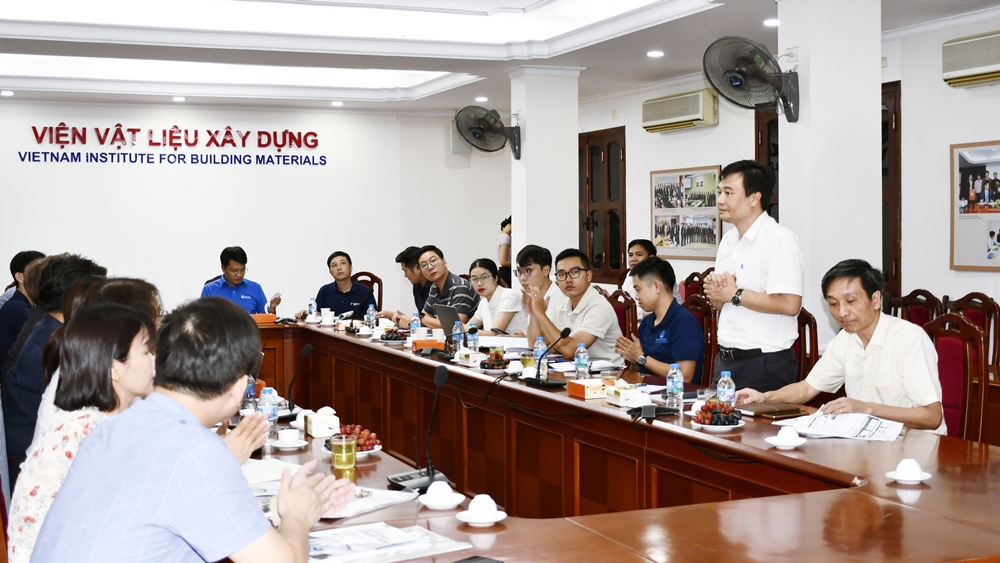
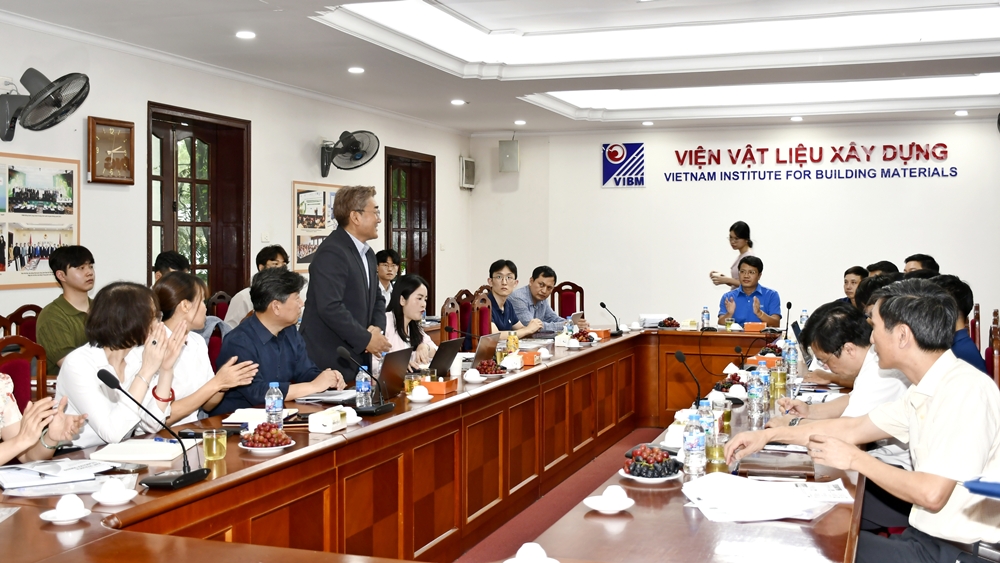
Dr. Nguyen Quang Hiep – Director of VIBM, speaking at the workshop
In his opening speech, Mr. Nguyen Quang Hiep – Director of VIBM – emphasised that the project is of practical significance given Viet Nam’s hot and humid climate, prolonged hot seasons and growing demand for energy for building cooling. Many existing buildings, especially schools, hospitals, healthcare facilities and government offices, have insufficient thermal insulation and building envelope performance, leading to heavy dependence on air-conditioning. This increases operating costs, puts pressure on the power system and increases greenhouse gas emissions. Research into low-energy cooling solutions that can easily be applied to existing buildings is therefore increasingly urgent.
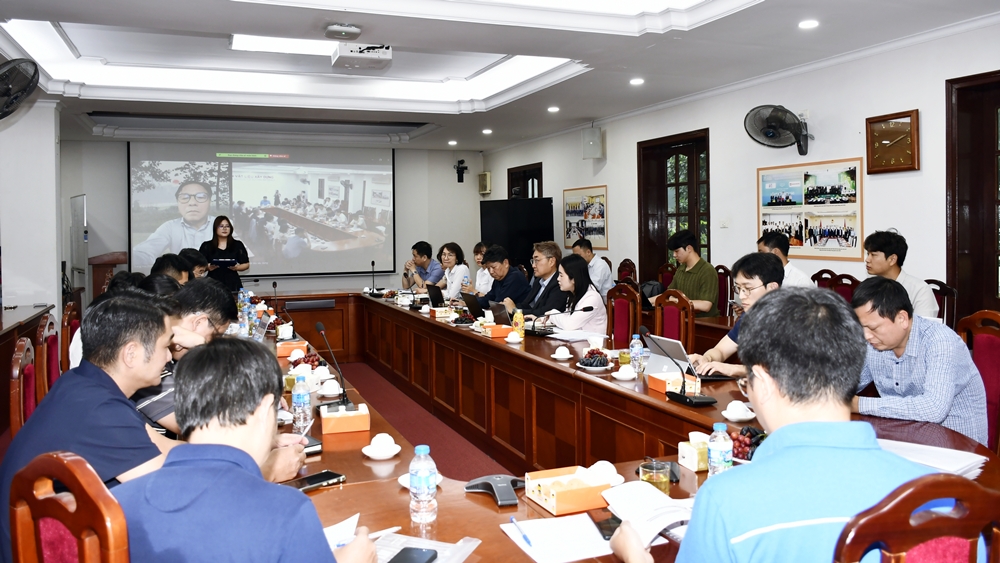
Speaking online at the workshop, Mr. Dang Huy Dong – Chairman of the Vietnam Green Transition Association – shared his views on the role of technological innovation and green building materials in the green transition and sustainable development of Viet Nam, and highly appreciated the significance of the cooperation project between VIBM and its Korean partners in promoting environmentally friendly technological solutions.
Passive radiative cooling technology has been researched and applied in many countries, with Korea being one of the pioneers in applying it to meet targets for reducing energy consumption in buildings. According to preliminary studies, the application of PRC technology in Korea has been highly effective in reducing electricity consumption for building cooling. The project therefore aims to research, develop and apply PRC technology suited to Viet Nam’s climate, with the goal of reducing cooling energy by 35% at building level and moving towards commercialisation of the product in Viet Nam. The main contents of the project include optimising PRC materials for Viet Nam’s climatic conditions; evaluating performance, durability and energy-saving efficiency; selecting public buildings for green retrofit demonstration; developing an efficiency assessment methodology; and studying the technical conditions, certification, policies and business models for commercialisation. The project is expected to be implemented from 2026 to 2029.
As the lead implementing agency in Viet Nam, VIBM connects the research and testing of PRC technology; proposes solutions for integrating PRC technology into green retrofit activities to improve building energy efficiency in Viet Nam; and proposes measures for products using PRC technology to be widely adopted in the Vietnamese market.
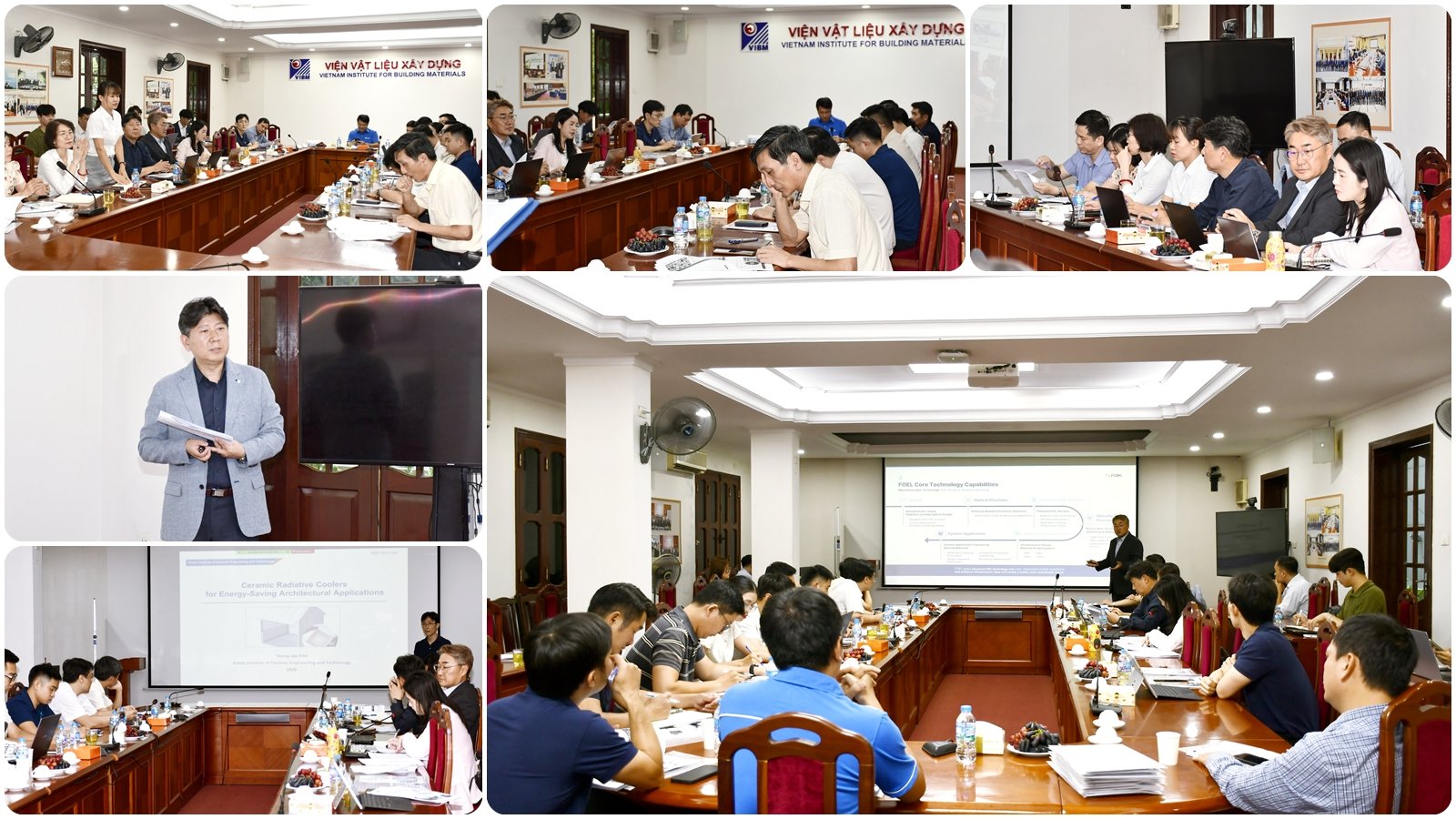
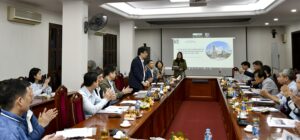
Korean experts presented a number of in-depth topics at the workshop
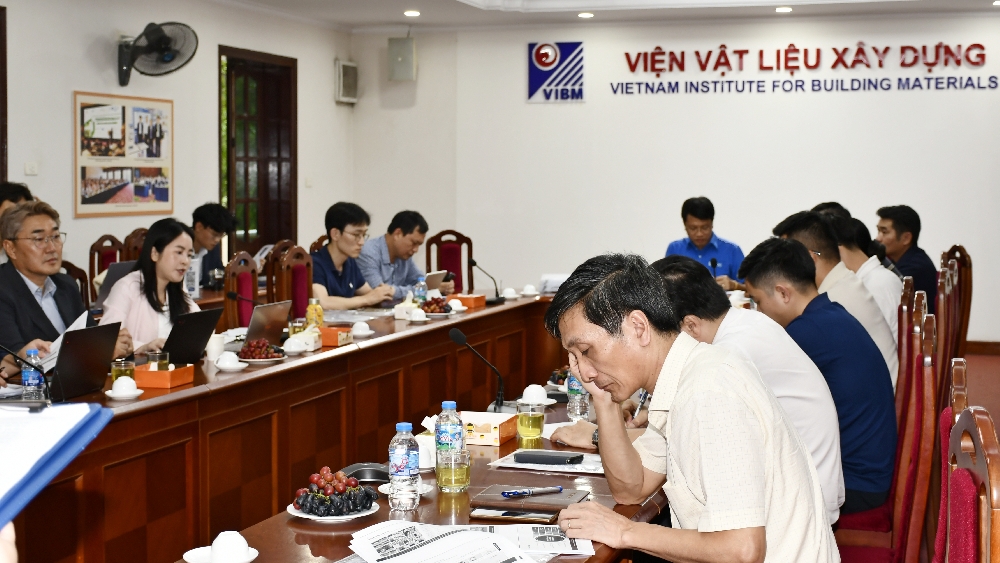
During the workshop, Korean experts presented a number of in-depth topics, providing up-to-date information on development trends in passive radiative cooling materials, their application potential in buildings in Southeast Asia in general and Viet Nam in particular, and green retrofit solutions to improve energy efficiency and reduce carbon emissions. Business matchmaking between Vietnamese and Korean enterprises was also successfully conducted through open exchanges among participants.
The success of this project launch workshop is an important continuation of the cooperation between VIBM and its Korean partners in the field of green building materials, contributing to research, technological innovation and the development of climate-adaptive material solutions towards the sustainable development of Viet Nam’s construction sector.
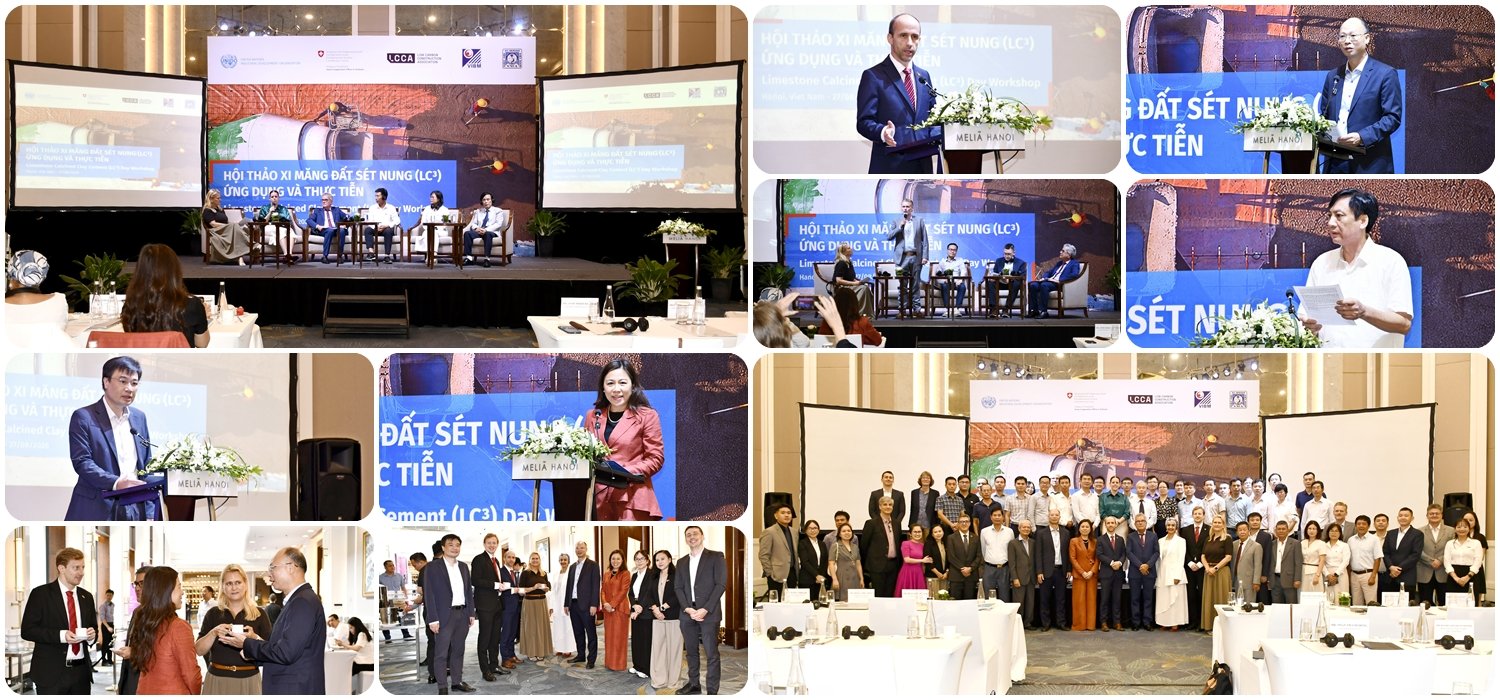
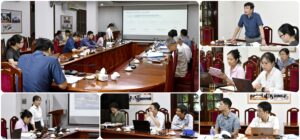
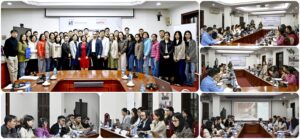
Photos from the workshop: