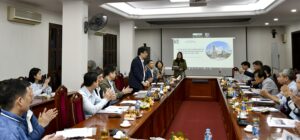
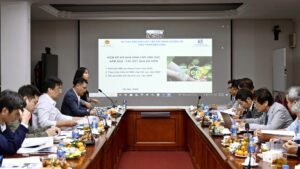
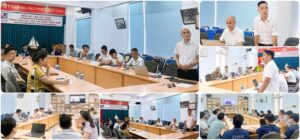
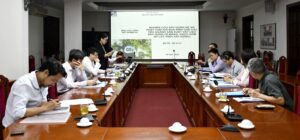
Institutional-Level Acceptance Council Meeting for the S&T Project “Applying Technology to Treat and Recycle Aluminium Dross as Raw Material for Building Materials Production” – Code KCBN-04 (25)
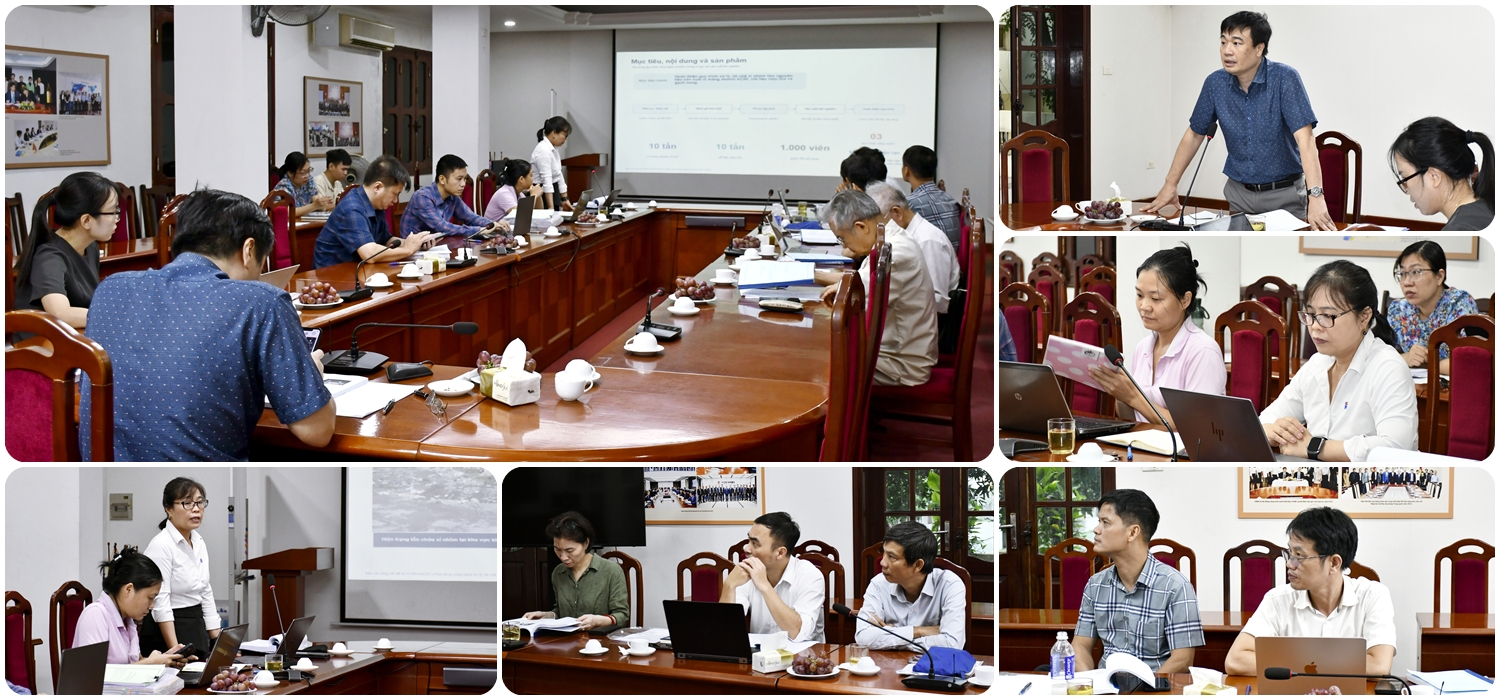
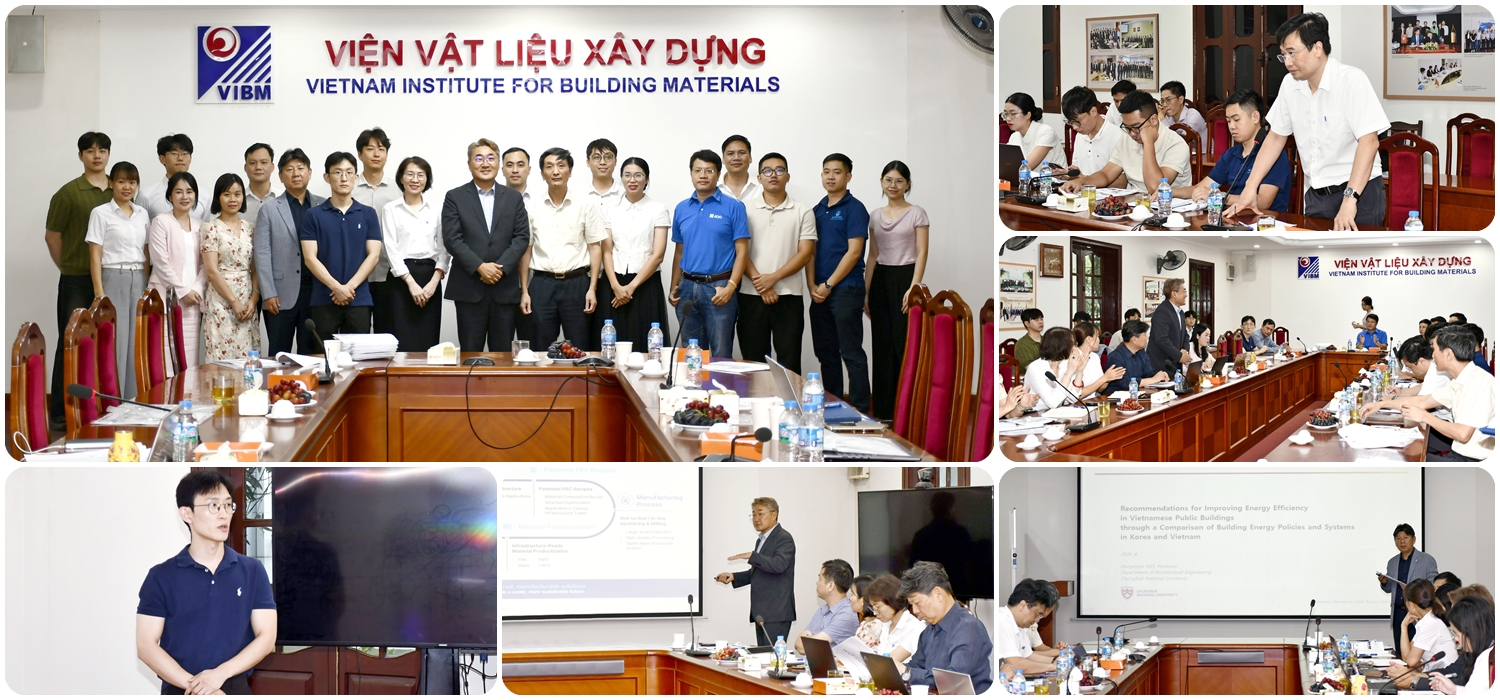
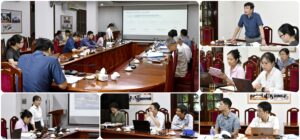
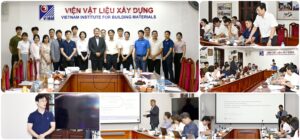
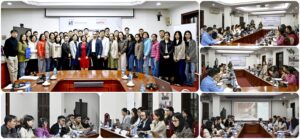
The meeting was chaired by Dr. Nguyen Quang Hiep – Director of the Vietnam Institute for Building Materials – as Chairman of the Council. Council members included experts from universities, associations and research institutes specialising in building materials and the environment. Representing the managing agency was Mr. Luong Vu Thang – Deputy Head of the Science Management Division, Bac Ninh Department of Science and Technology, together with representatives of the cooperating research units and enterprises participating in the project.
On behalf of the research team, Dr. Luu Thi Hong – Principal Investigator – presented a summary of the project results. The project was carried out to address the treatment and recycling of aluminium dross generated in Bac Ninh province, contributing to reducing environmental pollution, improving resource efficiency and promoting the circular economy in the building materials sector. The research team surveyed the current generation, collection and treatment of aluminium dross in the province; evaluated the chemical, mineralogical and environmental characteristics of aluminium dross sources; and developed technological processes for treating, processing and recycling aluminium dross into raw materials for building materials production. The project successfully researched and trial-produced at industrial scale 3 product lines:
- AC50 aluminous cement using aluminium dross as a partial replacement for traditional raw materials, meeting the technical requirements of TCVN 7569:2022;
- Refractory aggregate with high aluminium dross content, meeting the requirements for use in refractory production;
- Fired clay bricks using aluminium dross as a partial replacement for clay, meeting the technical requirements of TCVN 1451:1998; monitoring results also showed that the production process did not increase environmental pollution parameters.
In addition to the research results, the project developed 3 technological processes for treating and recycling aluminium dross corresponding to the three product groups, providing a basis for technology transfer and wider practical application. The results help orient the use of aluminium dross as a secondary raw material partially replacing natural mineral raw materials, reducing the amount of waste requiring treatment while creating building material products of economic value.
After hearing the report and discussion, Council members highly appreciated the research team’s efforts in carrying out a large volume of work, from surveys and laboratory research to industrial-scale trial production. The Council considered the project to be of high scientific and practical significance, with rich results closely following the set objectives and with potential for practical application, helping to solve the environmental problem of aluminium dross in Bac Ninh province and other localities. The Council also requested the team to incorporate several comments to finalise the final report, clarify the scope of application of the technology, assess the economic and environmental efficiency, and evaluate the replicability of the results under actual production conditions.
Concluding the meeting, the Council agreed that the project had fulfilled the objectives and research content according to the approved proposal, and that its science and technology products basically met the requirements. The Council requested the research team to fully incorporate the comments and finalise the dossier and final report before submitting it for provincial-level acceptance as required.