Evaluating the Electricity-Saving Potential of Energy-Efficient Windows, Doors and Skylights
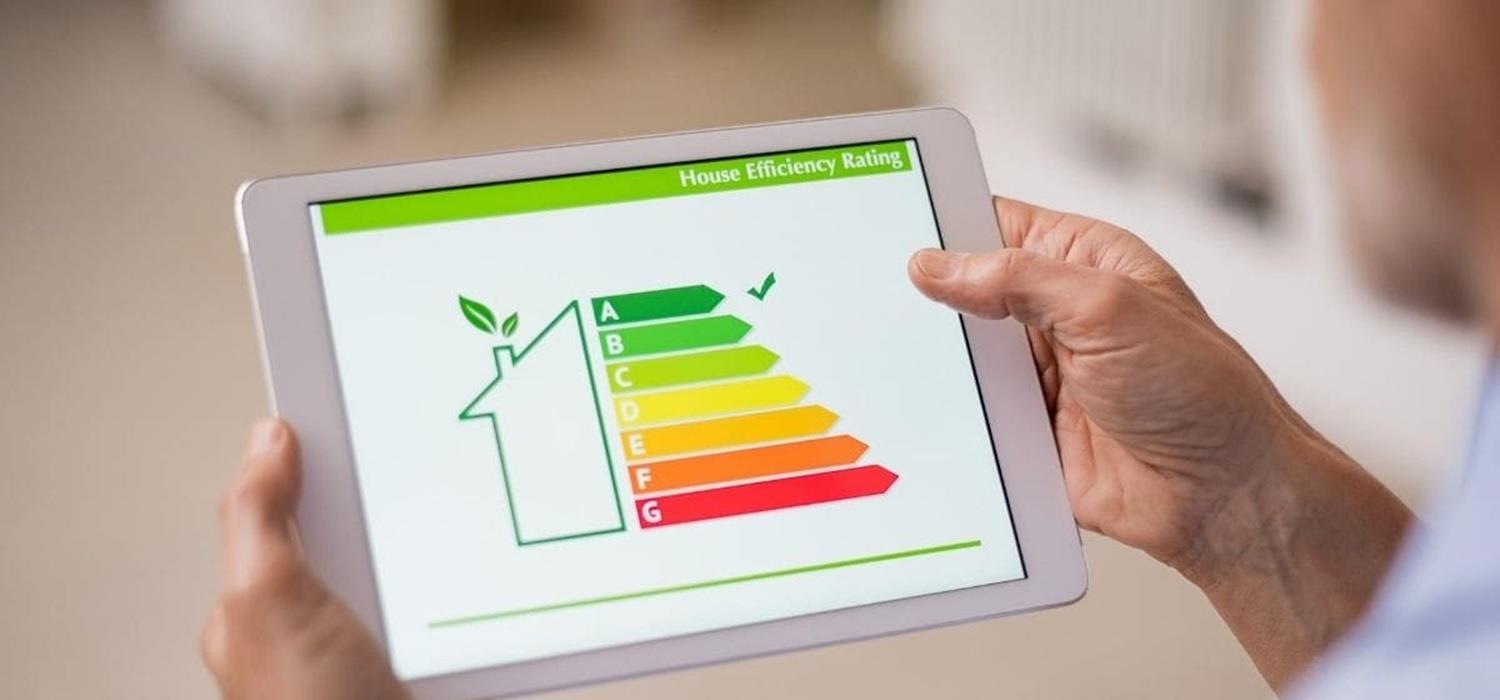
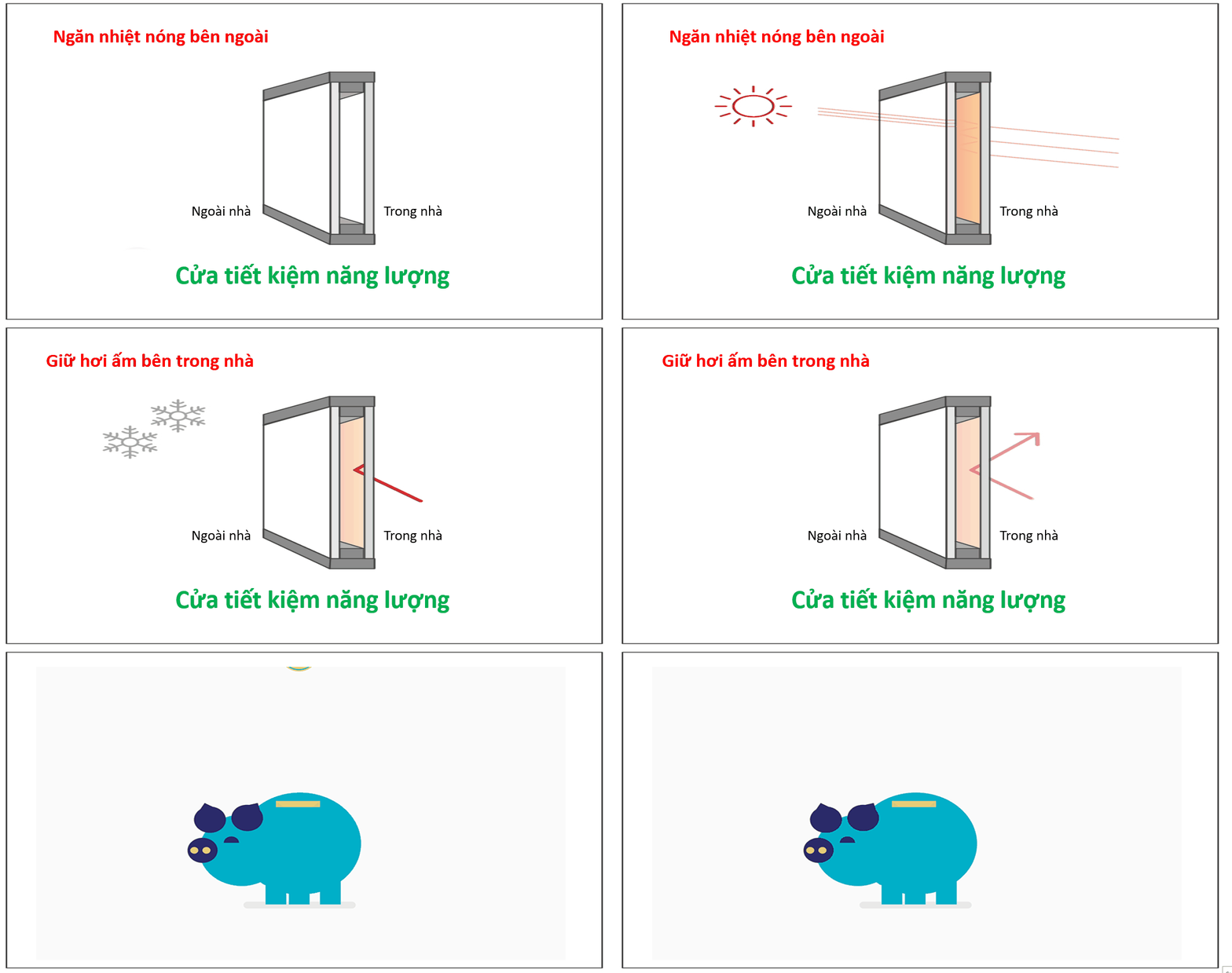
Illustration (source: Good Life Energy Savers)
Energy-efficient doors and windows are known for reducing heating and cooling costs in buildings, while also improving occupant comfort and minimising condensation on window surfaces. However, consumers are often unsure how to choose the most effective product within their budget. Product information usually consists of thermal properties such as the thermal transmittance U-value or thermal resistance R-value, the Solar Heat Gain Coefficient SHGC or Shading Coefficient SC, air leakage (air leakage) and condensation resistance (Condensation resistance – CR). The energy-saving role (reduced electricity costs) of these properties depends greatly on environmental conditions and building construction. Moreover, these properties are usually calculated and tested under standardised static conditions that differ greatly from real conditions.

This article presents a method for comparing and evaluating electricity-saving potential to help investors, designers, consumers and contractors select energy-efficient door and window systems effectively for their specific projects – whether new buildings, renovations or simply window replacements.
This requires a computer simulation tool to calculate the energy used for heating in winter and cooling in summer, the related electricity costs, and the peak heating and cooling demand for a specific window product. The user defines a scenario by choosing a house type (single- or two-storey), location, orientation, electricity price and construction details (such as walls, floors and the HVAC system).
The user must also specify the size, type of shading and thermal properties of the windows, glazing and blinds. The thermal properties required by the simulation tool are: the thermal transmittance U-value; the Solar Heat Gain Coefficient SHGC; and air leakage (air leakage). The tool calculates the average annual energy use and electricity cost of the windows compared with an insulated wall, enabling a relative comparison of electricity savings between different window types – for example, conventional versus energy-efficient windows – as a basis for investment decisions.
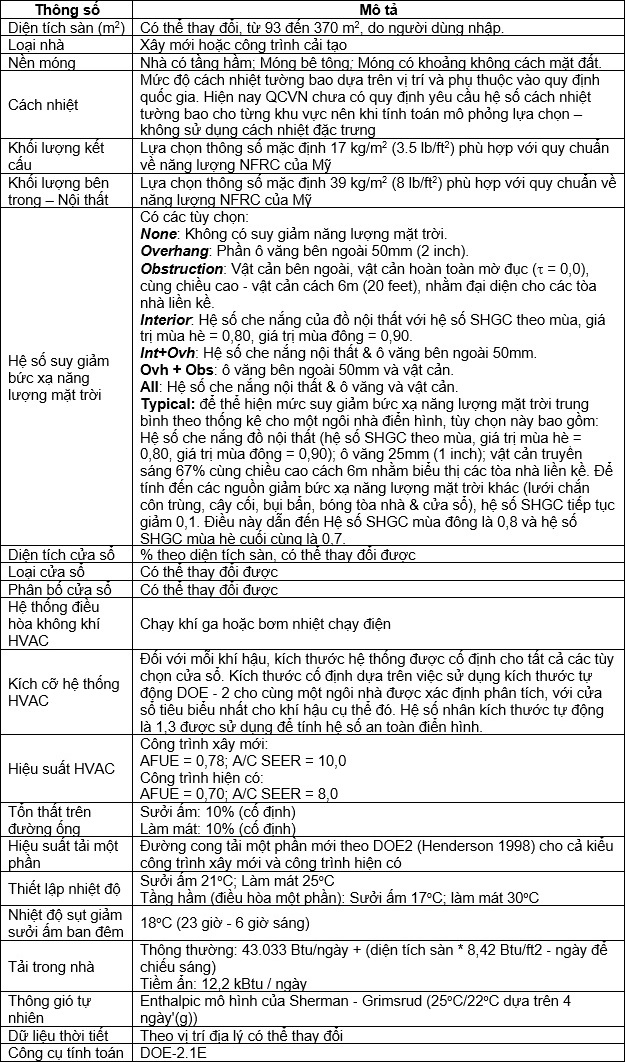
Table 1: Simulation assumptions – input data for the building energy simulation tool.
To analyse the electricity-saving performance of energy-efficient windows, this article presents an example comparing two window types: a conventional aluminium-glass window and a thermally broken aluminium window with low-E insulating glass units, as follows:
The simulated building was set up with the default parameters in Table 1, adjusted for Vietnamese climate conditions as follows:
- Location: Hanoi (weather data from the Noi Bai station, 2009).
- Building type: new single-storey building.
- Foundation: concrete slab (Slab-On-Grade).
- HVAC system: electric heat pump.
- Total floor area: 186 m2.
- Total window area: 28 m2.
- Envelope without insulation materials.
- Solar radiation attenuation: option Typical.
- Ceiling thermal resistance: R11.
- Wall thermal resistance: R7.
- Electricity price VND 2,535/kWh (USD 0.110/kWh).
1. Simulated electricity use for heating and cooling in a building with conventional aluminium-glass windows
Conventional aluminium-glass window with the thermal properties shown in Figure 1: U-value of 5.799 W/m2K; SHGC of 0.821; Air leakage of 1.52 l/s.m2.
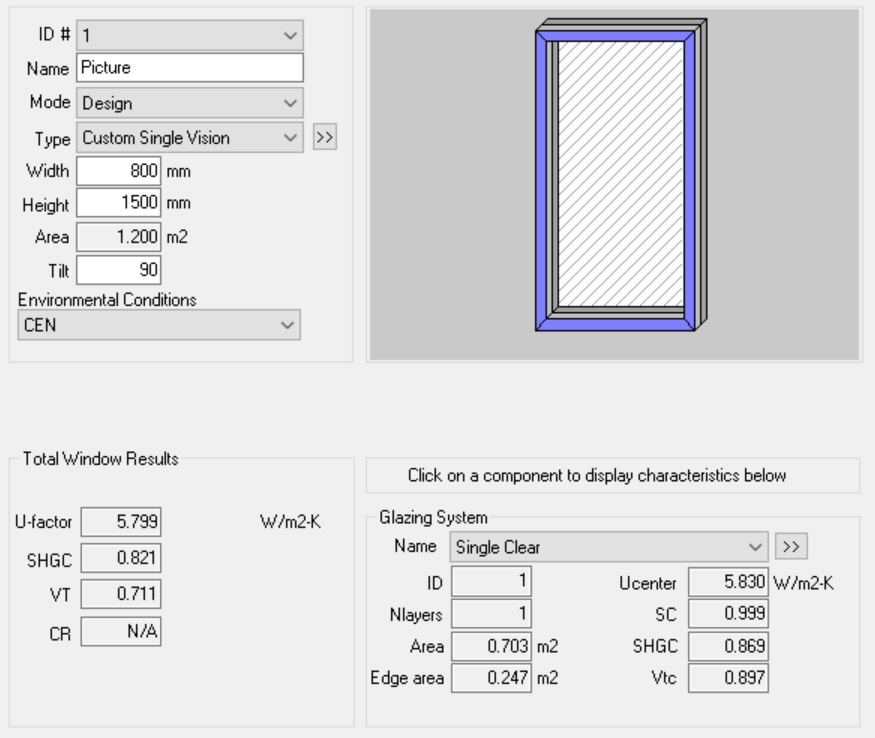
Figure 1: Thermal properties of a conventional aluminium-glass window
The simulated average annual electricity use of the building with conventional aluminium-glass windows is as follows:
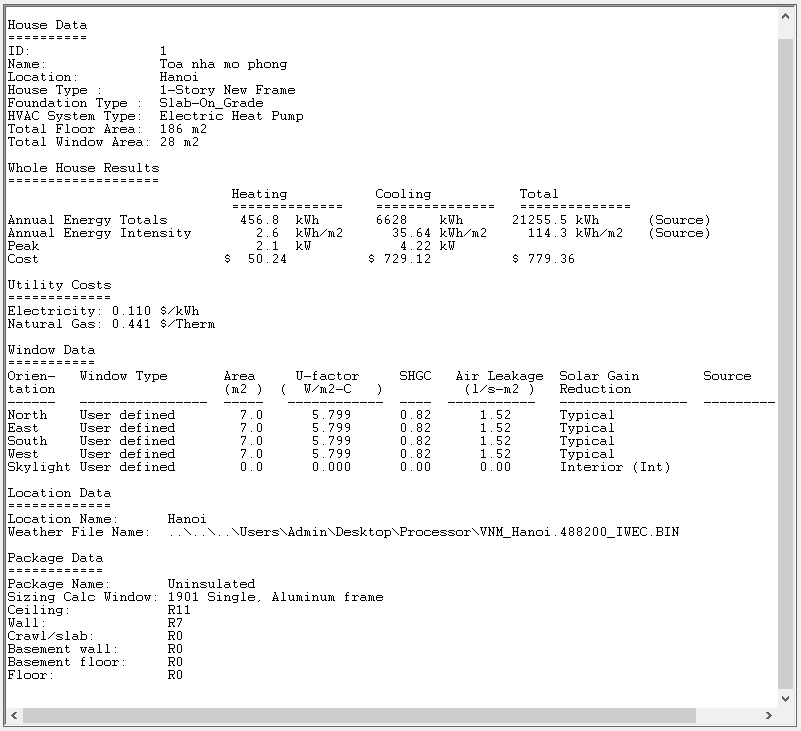
2. Simulated electricity use for heating and cooling in a building with thermally broken aluminium windows and low-E insulating glass units
Aluminium windows are a popular choice in Vietnam owing to their attractive, modern appearance, low maintenance, corrosion resistance and durability – they do not rot or warp like conventional timber windows. However, aluminium is not a natural insulator, so aluminium frames allow indoor heat to escape (in winter) or outdoor heat to enter (in summer), as shown in Figure 2. To eliminate this, manufacturers use thermal breaks (thermal breaks), which are simply a piece of material inserted in the aluminium profile to reduce heat loss. It separates the frame into inner and outer parts acting as two separate thermal chambers (Figure 3). The thermal break reduces heat transfer and ensures a certain thermal performance; for the same profile, using a thermal break reduces the frame U-value from 6.2728 W/m2K to 3.5074 W/m2K.
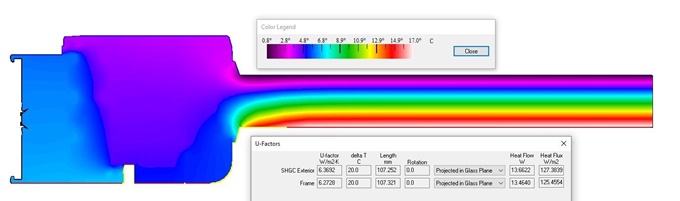
Figure 2: Temperature distribution in an aluminium profile frame without a thermal break
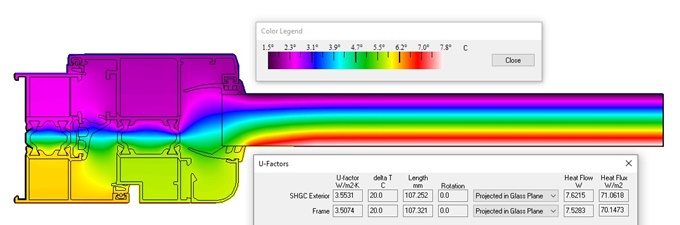
Figure 3: Temperature distribution in an aluminium profile frame with a thermal break
The aluminium window with low-E insulating glass has the thermal properties shown in Figure 4: U-value of 2.226 W/m2K; SHGC of 0.217; Air leakage of 1.52 l/s.m2.
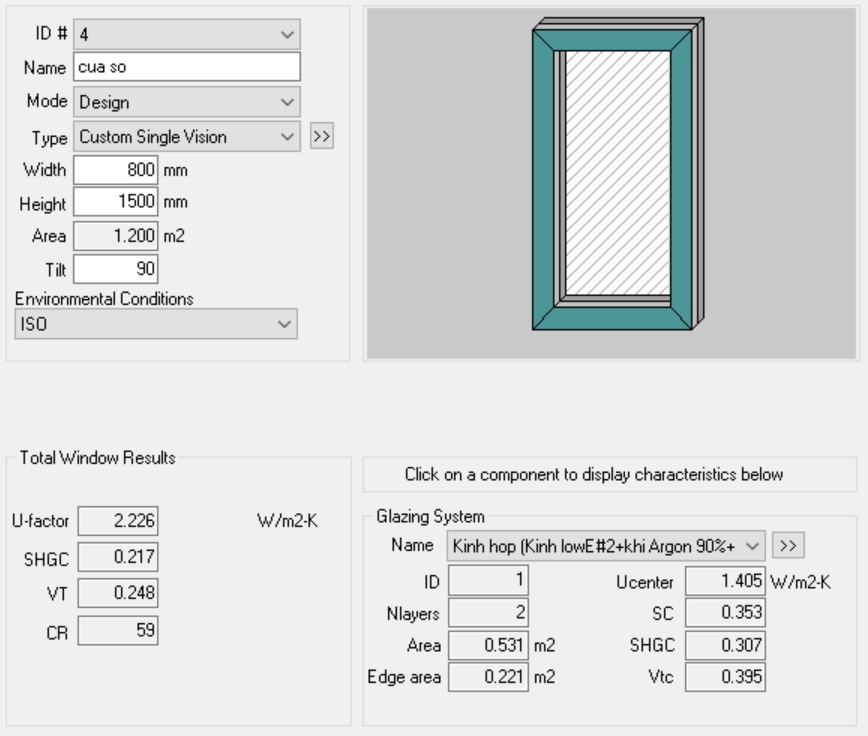
Figure 4: Thermal properties of an energy-efficient aluminium profile window
The simulated average annual electricity use of the building with energy-efficient aluminium profile windows is as follows:
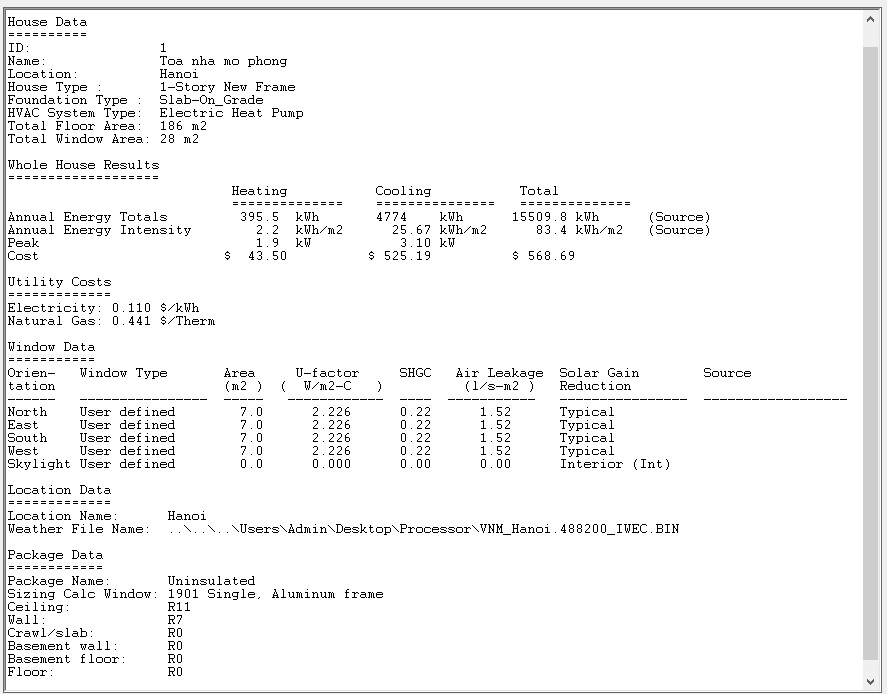

Under real climatic conditions in Hanoi, the simulated electricity use of a house’s air-conditioning system shows that, under the same standard conditions, energy-efficient windows can save the homeowner up to USD 210.07 per year (about VND 4.85 million per year). This provides a basis for investors and users to easily evaluate the benefits of investing in new technologies and materials that make buildings greener, more economical and more efficient.
Centre for Environment and Construction Mechanics – Vietnam Institute for Building Materials (VIBM) is one of the leading research units in testing and detailed calculation of thermal and optical properties – including the U-value, Solar Heat Gain Coefficient (SHGC) and Visible Light Transmittance (VLT) – of complete window and door assemblies, and in evaluating the shading performance of shading devices and blinds in accordance with standards such as TCVN 11857, ISO 15099, NFRC 200, EN 410, EN 13663 and JIS A 2103. We test, calculate and assess the conformity of window and door systems with QCVN 09:2017/BXD.
Contact details
Centre for Environment and Construction Mechanics – VIBM
Address: Lane 235 Nguyen Trai Street – Khuong Dinh – Hanoi, Vietnam
Tel: +84 24 3558 5928; +84 915 502 834; +84 912 181 479; Fax: +84 24 3858 1112
Email: tbmt.atld@gmail.com
Website: http://vibm.vn