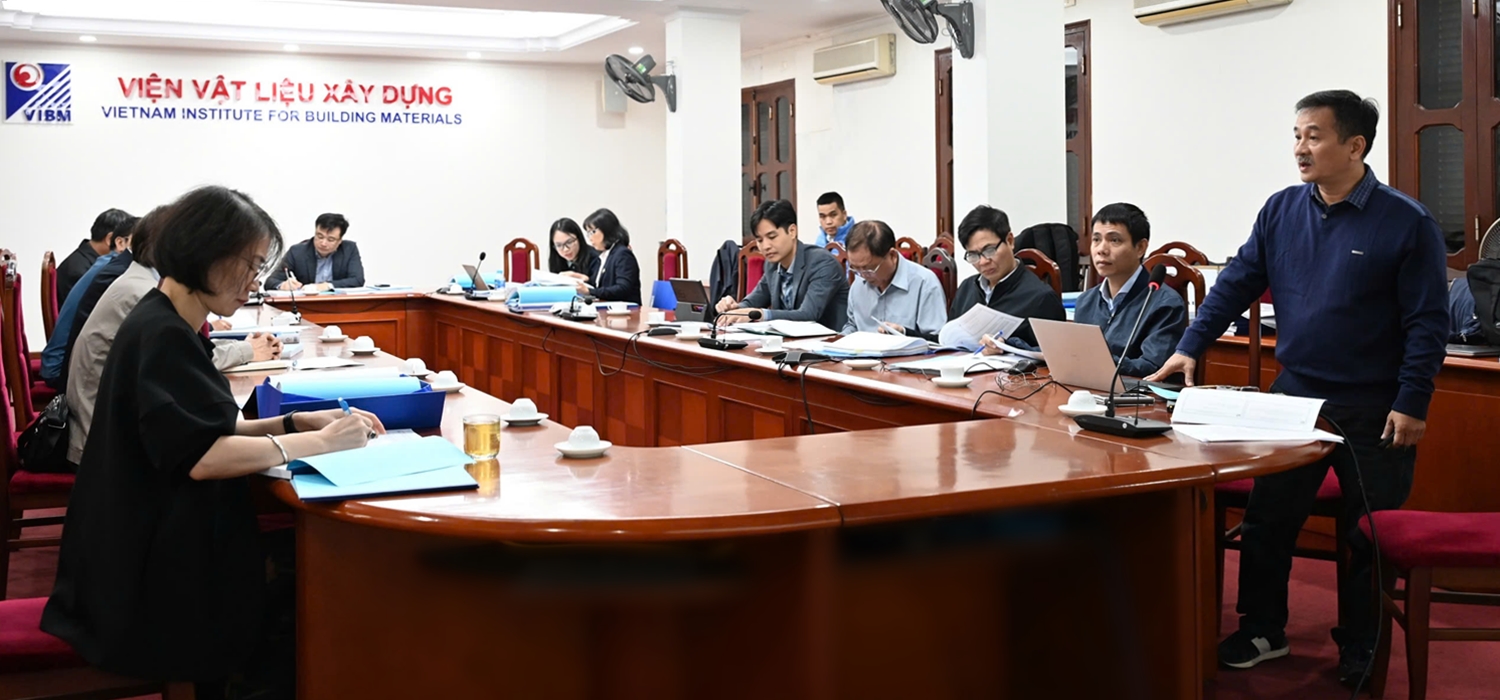
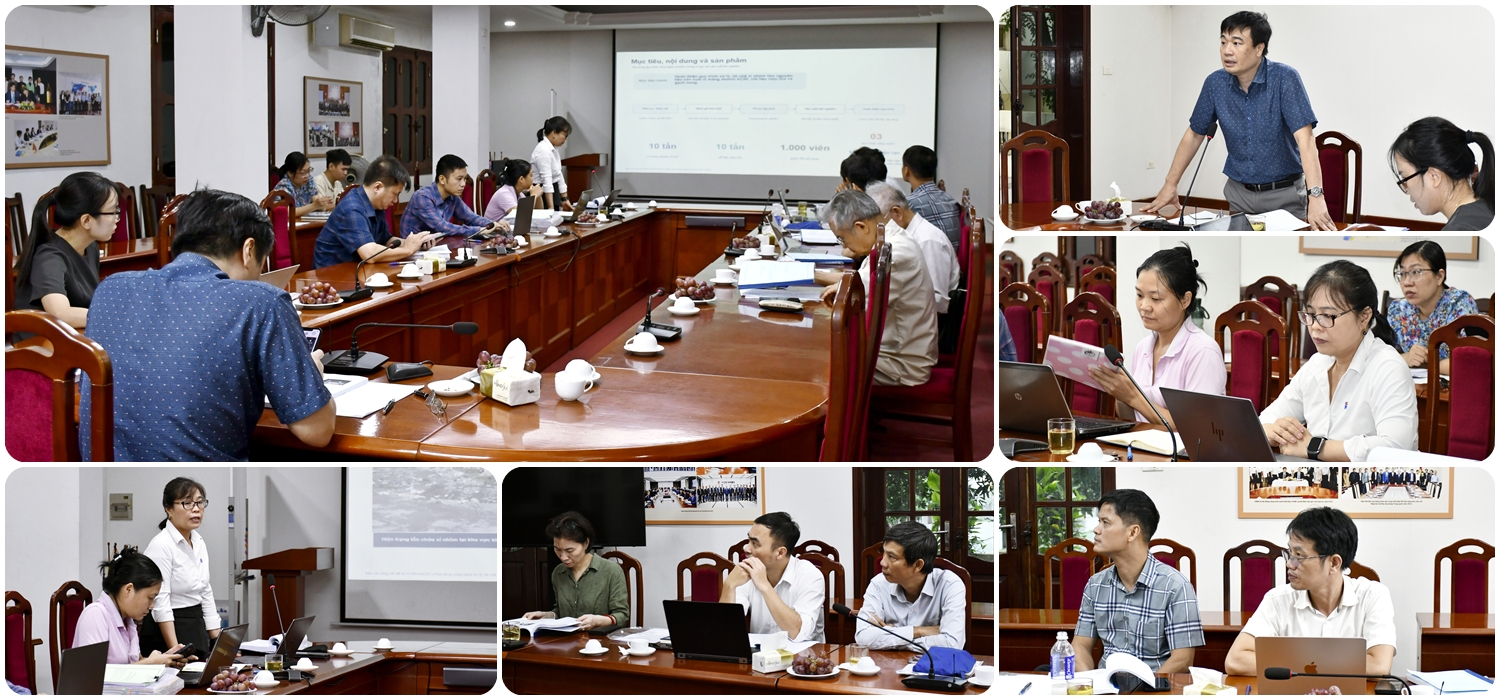
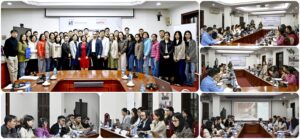
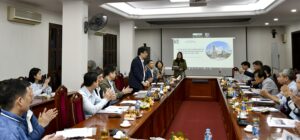
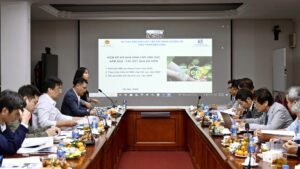
VIBM: Acceptance Meeting for the Project on a Pilot Indirect Combustion System for Energy-Containing Municipal/Industrial Solid Waste as Alternative Fuel in Cement Plants
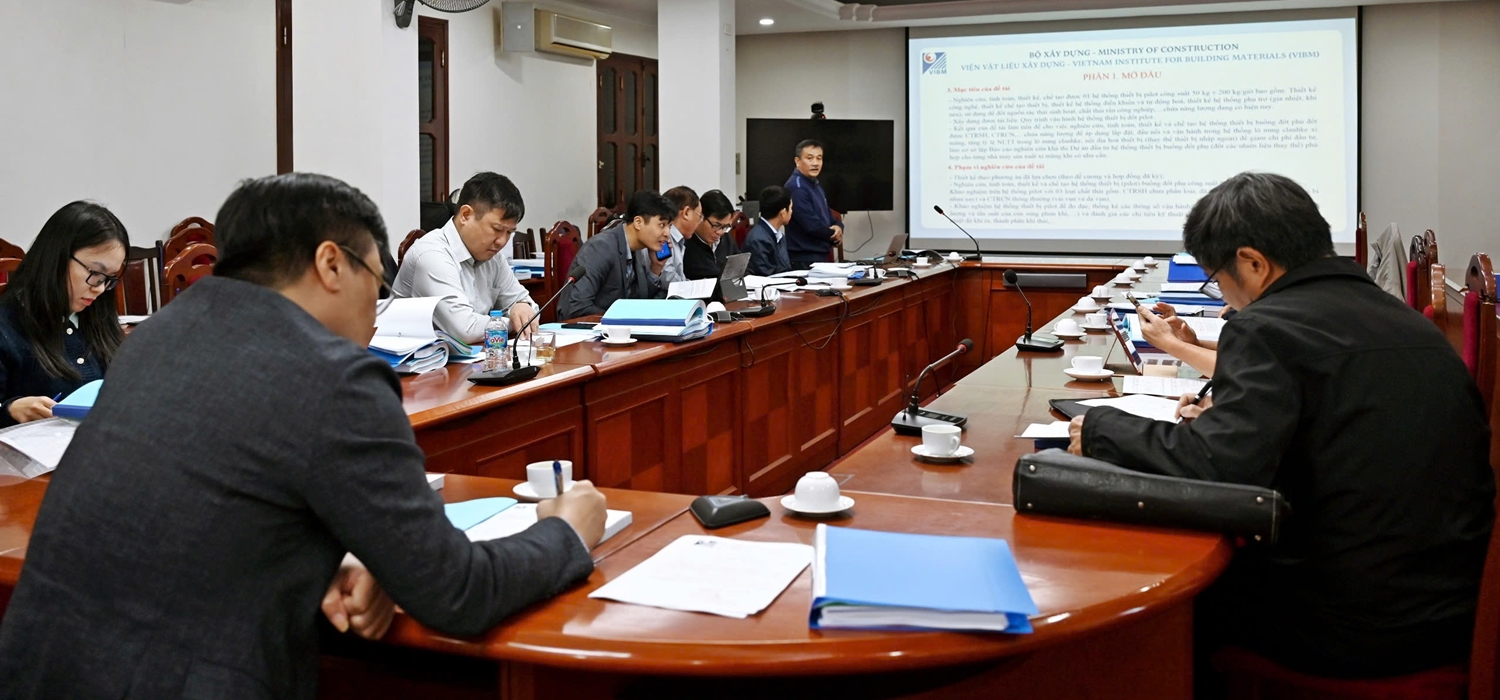
At the acceptance meeting, Eng. Tran Thanh Binh summarised the research results of Project No. RD 14-23. The future trend for cement plants is to use energy-containing waste and a wide range of alternative fuels, including large quantities of municipal solid waste, most of which is currently landfilled; to replace fossil fuels wholly or largely with energy-containing solid waste; to keep kiln operation stable; and to control emissions… Integrating an auxiliary combustion chamber into the kiln system optimally addresses these requirements.
The project researched, calculated, designed and manufactured a pilot system comprising mechanical equipment (feeding), a control and automation system, and auxiliary systems (compressed air, equipment cooling water, etc.), capable of burning various types of energy-containing solid waste, including hard-to-burn waste such as municipal solid waste with low calorific value and high moisture, with a capacity of 50–200 kg/hour. The combustibility of different types of waste was researched, tested and evaluated using the pilot system.
The research results will open up the flexible use of a wide range of waste sources, especially municipal solid waste, at maximum substitution rates and without many processing or pre-treatment steps, as alternative fuels in cement production.
Once installed and in operation, an external combustion system (auxiliary combustion chamber) can burn various alternative fuels at high substitution rates, including hard-to-burn waste such as municipal solid waste (low calorific value, high moisture), without significantly affecting cement clinker production.
Practice shows that auxiliary combustion chambers can be designed and manufactured domestically at a lower cost than imported equipment. This contributes to localising equipment, reducing investment costs and improving business efficiency, while supporting sustainable development of the cement industry, reducing resource consumption and landfill area… and helping to minimise environmental pollution through waste co-processing at cement plants. This is in line with the global trend towards the circular economy, environmental protection and reduction of CO2 emissions and landfill land, and consistent with the Government’s Strategy for the Development of Building Materials in Viet Nam for 2021–2030 with a vision to 2050.
After the presentation by the project leader, VIBM’s Scientific Council discussed and commented on the results, agreed on the acceptance of Project No. RD 14-23 and requested the authors to finalise the report according to the Council’s comments for submission to the Ministry of Construction for acceptance as required.