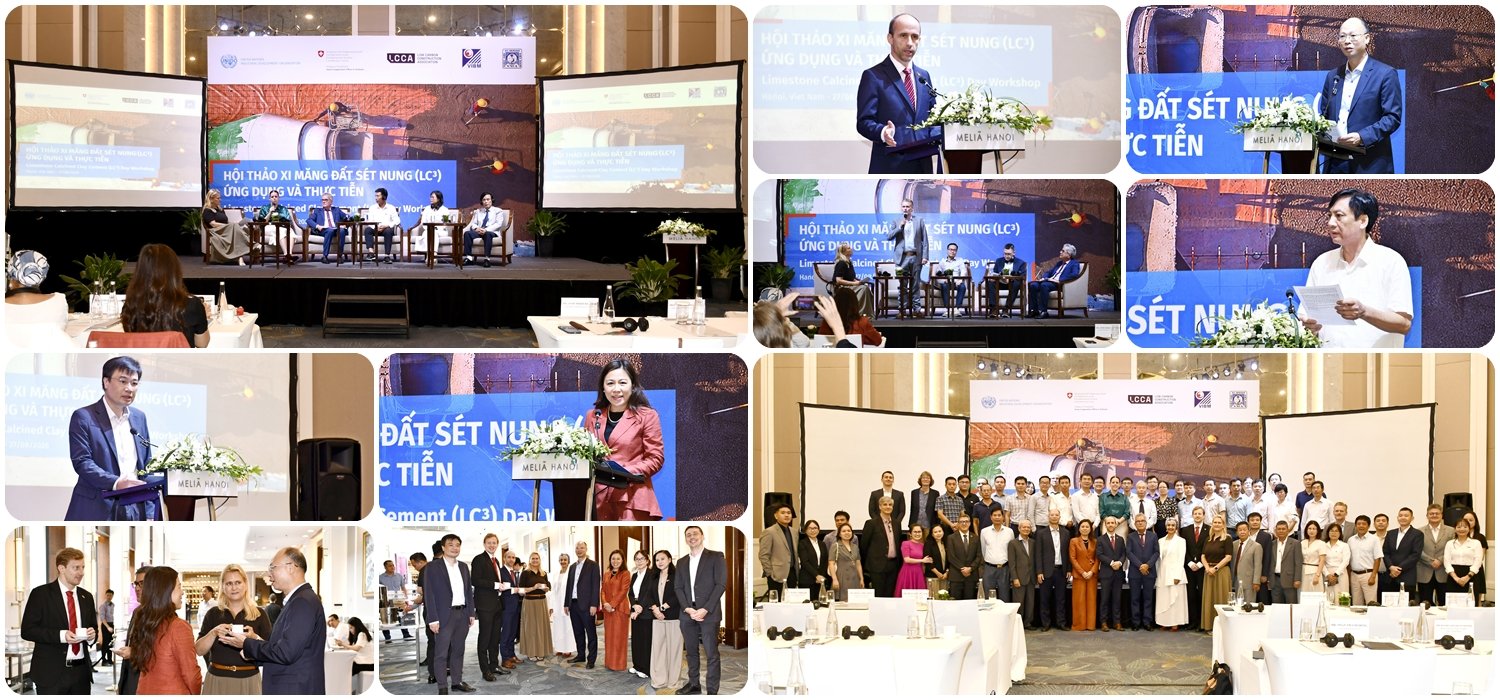
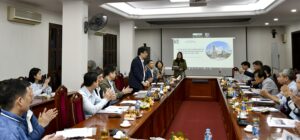
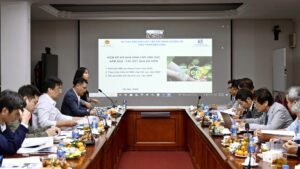
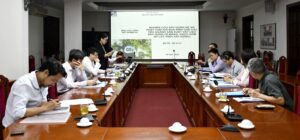
Workshop “Greenhouse Gas Emissions, Environmental Protection and Health in the Production and Use of Building Materials”
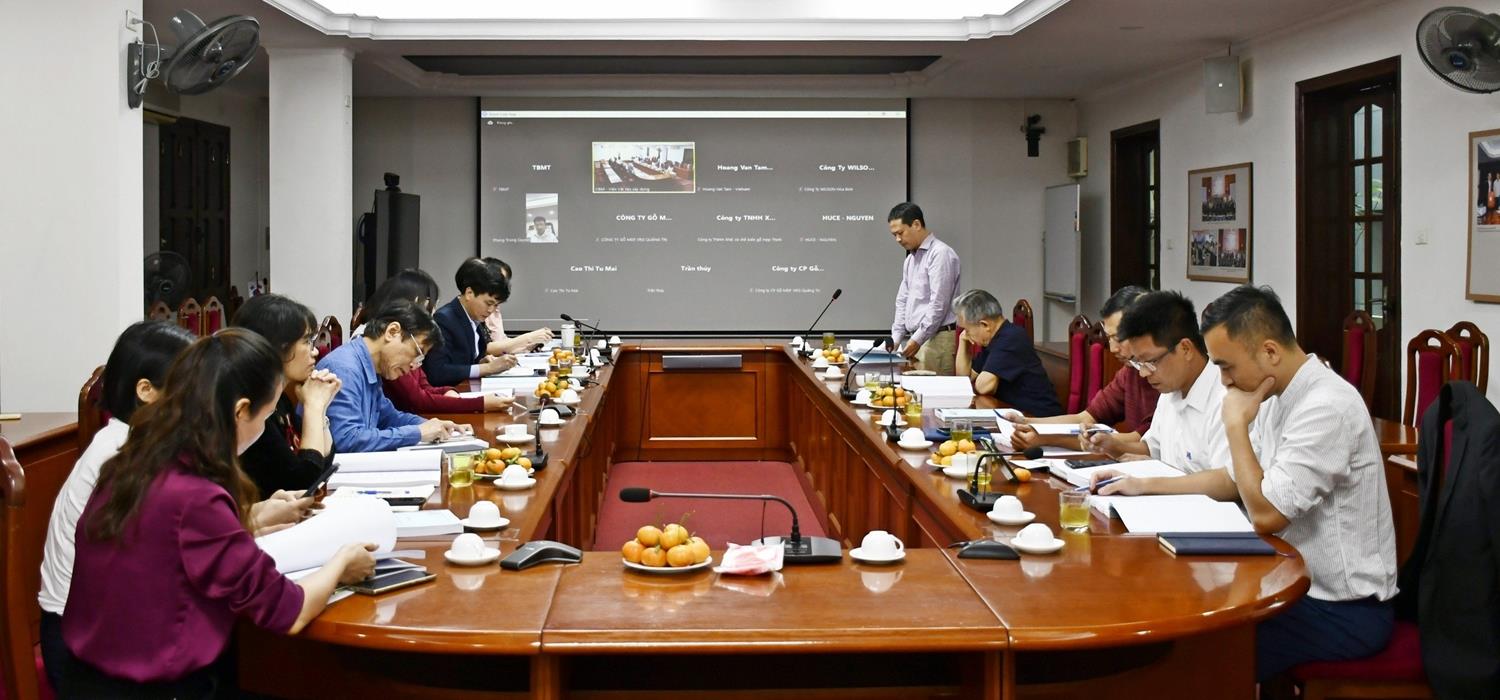
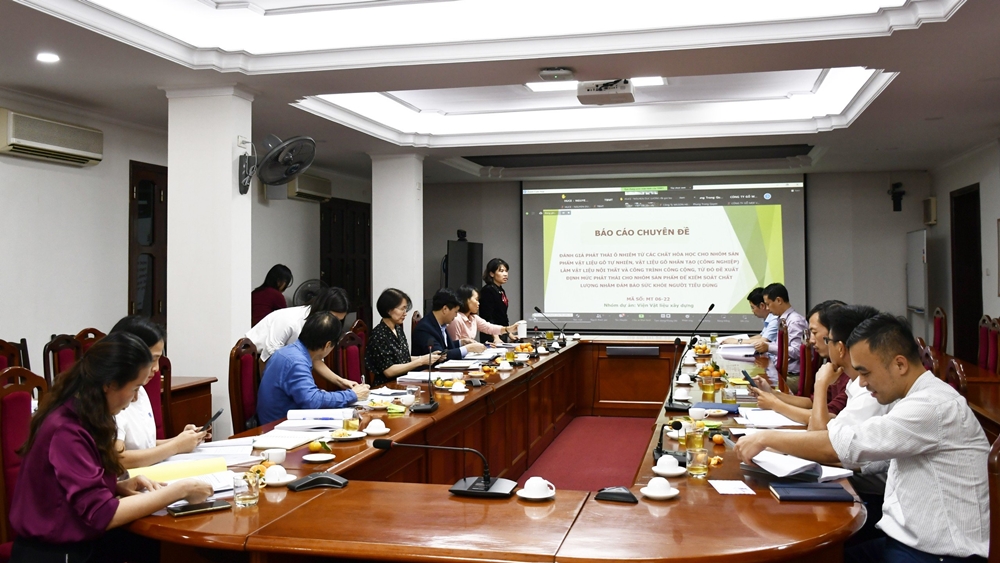
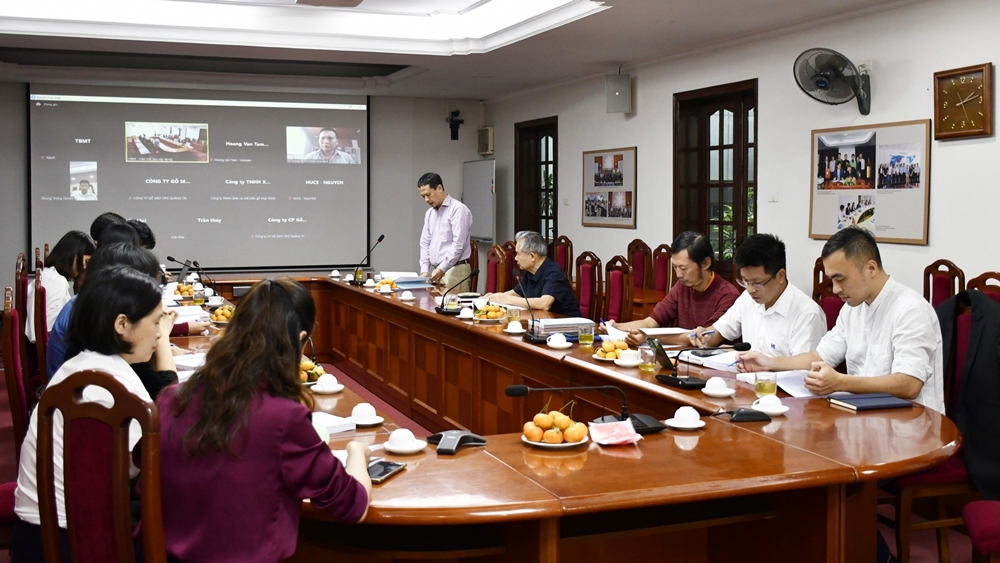
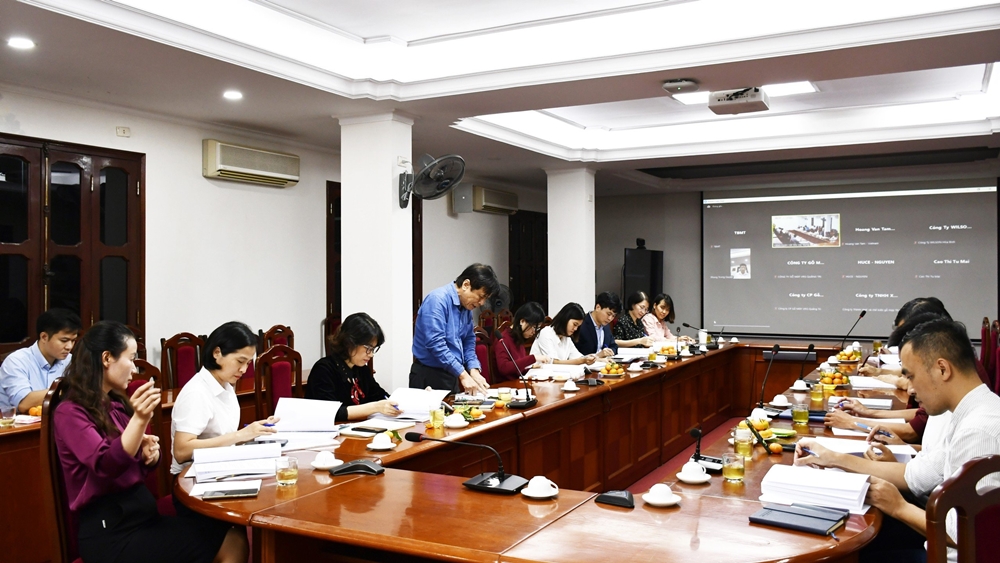
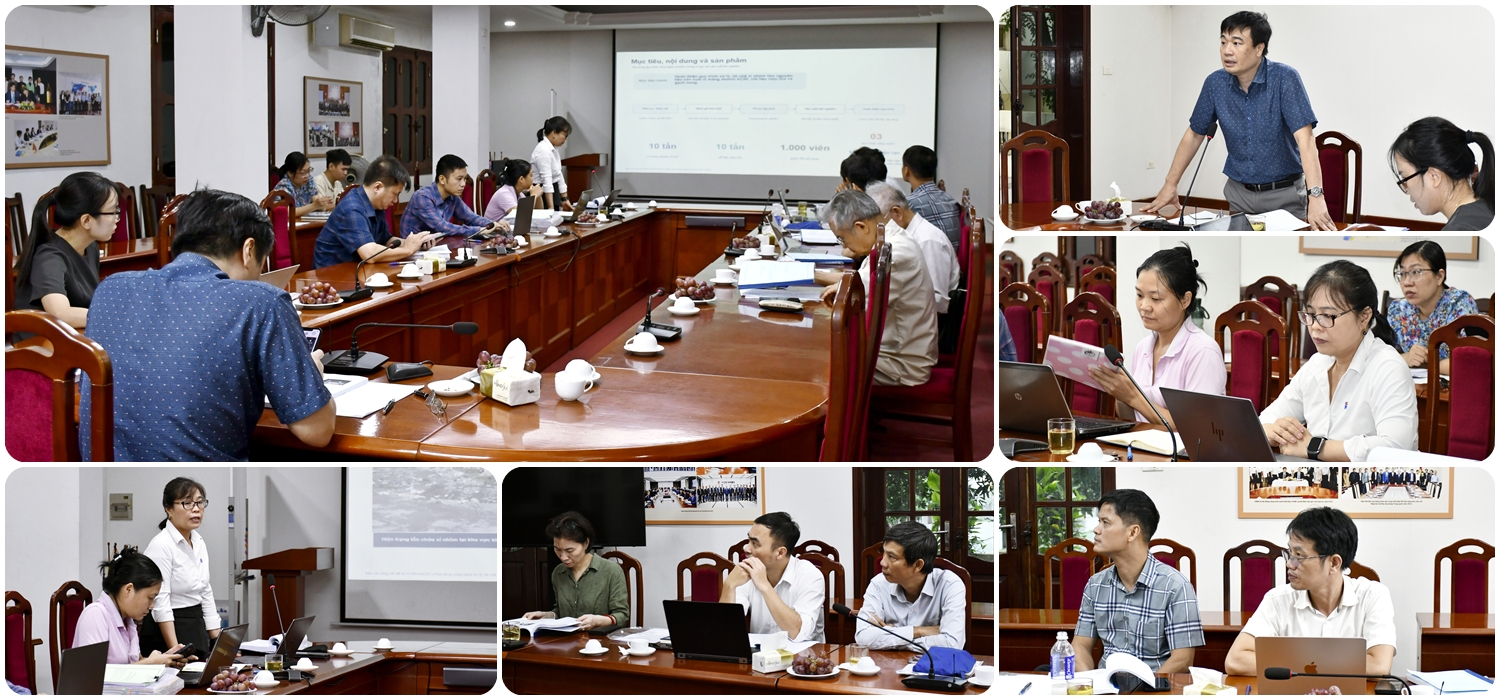
Speaking at the workshop, Dr. Vu Van Dung noted that the workshop is an important part of VIBM’s research tasks in the field of environmental services, namely science and technology tasks RD 06-23, MT 06-22, MT 07-22 and MT 11-22. The research teams presented their results and draft decisions and guidelines, then gathered comments, exchanges and discussions from delegates in order to finalise the project content and the drafts, and to propose further development directions for the projects.
Speakers presented 4 main topics: the draft plan for greenhouse gas (GHG) emission mitigation in the construction sector; draft guidelines for developing environmental incident prevention and response plans and measures in building materials production; assessment of chemical pollutant emissions from natural wood and engineered (industrial) wood products used as interior materials and in public buildings, with proposed emission limits for quality control to protect consumer health; and draft guidelines for life cycle assessment (LCA) of building material products.
Presenting at the workshop, Ms. Nguyen Thi Tam (MSc.) said that mitigating GHG emissions in the construction sector requires a plan assigning specific contents and tasks to units under the Ministry of Construction and identifying the list of priority tasks set out in Decision No. 385/QD-BXD dated 12 May 2022, in order to achieve the Ministry’s target of reducing GHG emissions by at least 74.3 million tonnes of CO2 equivalent (CO2e) by 2030 compared with the business-as-usual (BAU) scenario for the areas under the sector’s management (industrial processes, energy consumption in cement production, and buildings).
Dr. Le Thi Song shared that the guidelines set out measures to prevent and respond to incidents in building materials production, including cement, sanitary ware, construction glass, ceramic tiles, unfired bricks and industrial lime; the guidelines do not apply to environmental incidents caused by natural disasters at building material production facilities, the response to which follows the law on natural disaster prevention and control. The guidelines apply to building material producers nationwide and related units, aiming to prevent and respond to emergencies that may occur or have occurred, such as fires and explosions, so as to proactively prevent and minimise damage and remedy incidents, avoiding impacts on the environment and human health.
Proposing emission-reduction directions for natural wood and engineered (industrial) wood products used as interior materials and in public buildings to control quality and protect consumer health, Ms. Tran Thu Ha (MSc.) said that the mandatory National Technical Regulation QCVN 16:2023/BXD, effective from 1 January 2024, sets formaldehyde emission limits for 3 types of wood panel products: fibreboard, particleboard and finger-jointed timber.
Some solutions for the system of standards, testing and certification:
For the system of Vietnamese National Standards (TCVN), it is necessary to consider that the scope of TCVN 13181:2020 also covers the scope of TCVN 7753, which specifies quality levels for dry-process fibreboard (MDF). For the laminate flooring standard TCVN 11943:2018 (ISO 14486:2012) Laminate floor coverings – Specifications, a requirement on formaldehyde emission should be added.
TCVN standards for wood products should be reviewed periodically, considering a low-emission E0 limit (on a voluntary, encouraged basis) to provide a basis for guiding production and inspection when required for low-emission product lines. After a period of applying QCVN 16:2023/BXD, analysis, evaluation and review should be carried out with a view to regulations controlling and preventing high-emission imported and domestically produced goods from circulating on the market.
For the testing system, laboratories are encouraged to consider investing in additional equipment to test and inspect according to all the methods.
For certification and green labelling of products, a set of green label criteria and regulations on green label certification for engineered wood products should be developed.
Ms. Cao Thi Tu Mai (MSc.) said that it is necessary to set out the contents, methods and procedures for conducting life cycle assessment (LCA) of building material products suited to Vietnamese conditions; the guidelines do not separate from or replace the domestic and international technical standards on LCA already issued; they apply to individuals, units and organisations wishing to carry out LCA of building material products to identify key environmental issues and consider control measures and production improvements, with the ultimate goal of protecting the environment.
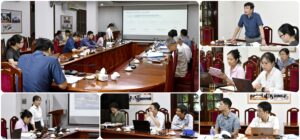
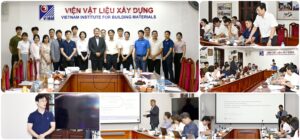
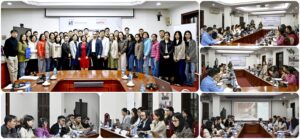
Following the presentations, experts, delegates and guests actively exchanged views, discussed and frankly commented on issues of concern, contributing to solutions for reducing GHG emissions and protecting the environment and human health in the production and use of building materials.
After an intensive and serious afternoon session with a high sense of responsibility, the workshop “Reducing greenhouse gas emissions, protecting the environment and health in the production and use of building materials” completed its planned content and objectives. The workshop heard 4 reports from 4 related science and technology research tasks and received many useful comments and discussions. The chair requested the project teams to continue their research and incorporate the comments from the workshop to finalise the project outputs.
More photos from the workshop: