VIBM: Acceptance Review of Two Draft National Standards on Greenhouse Gas Emissions from Stationary Sources
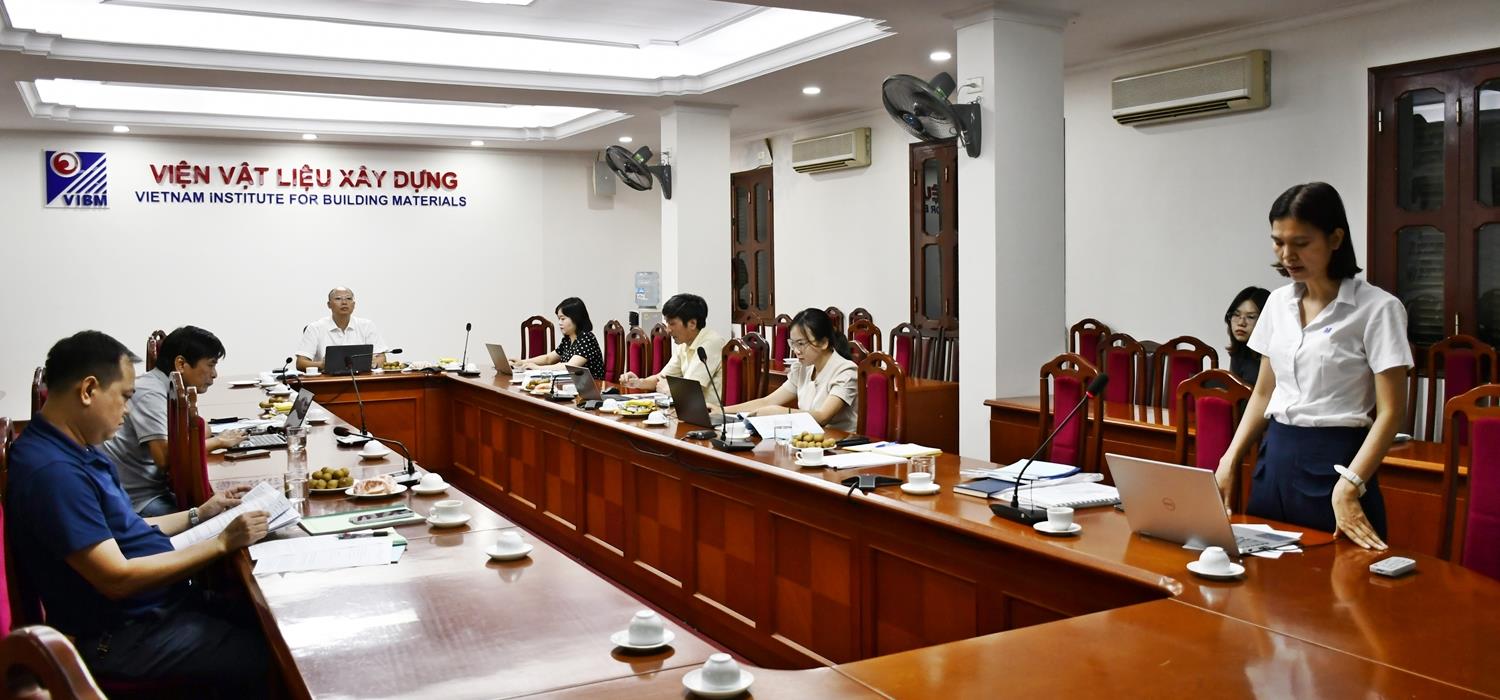
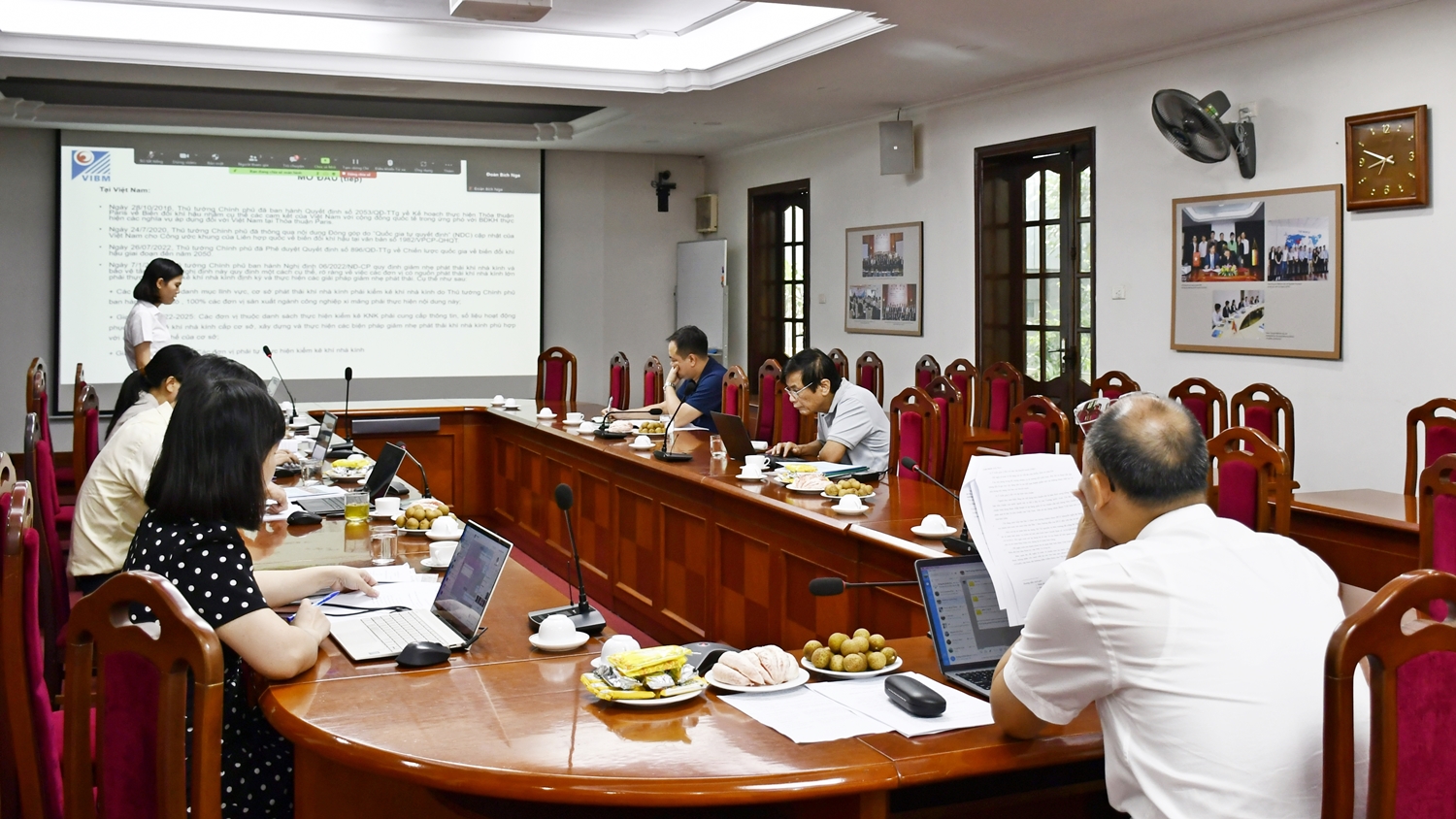
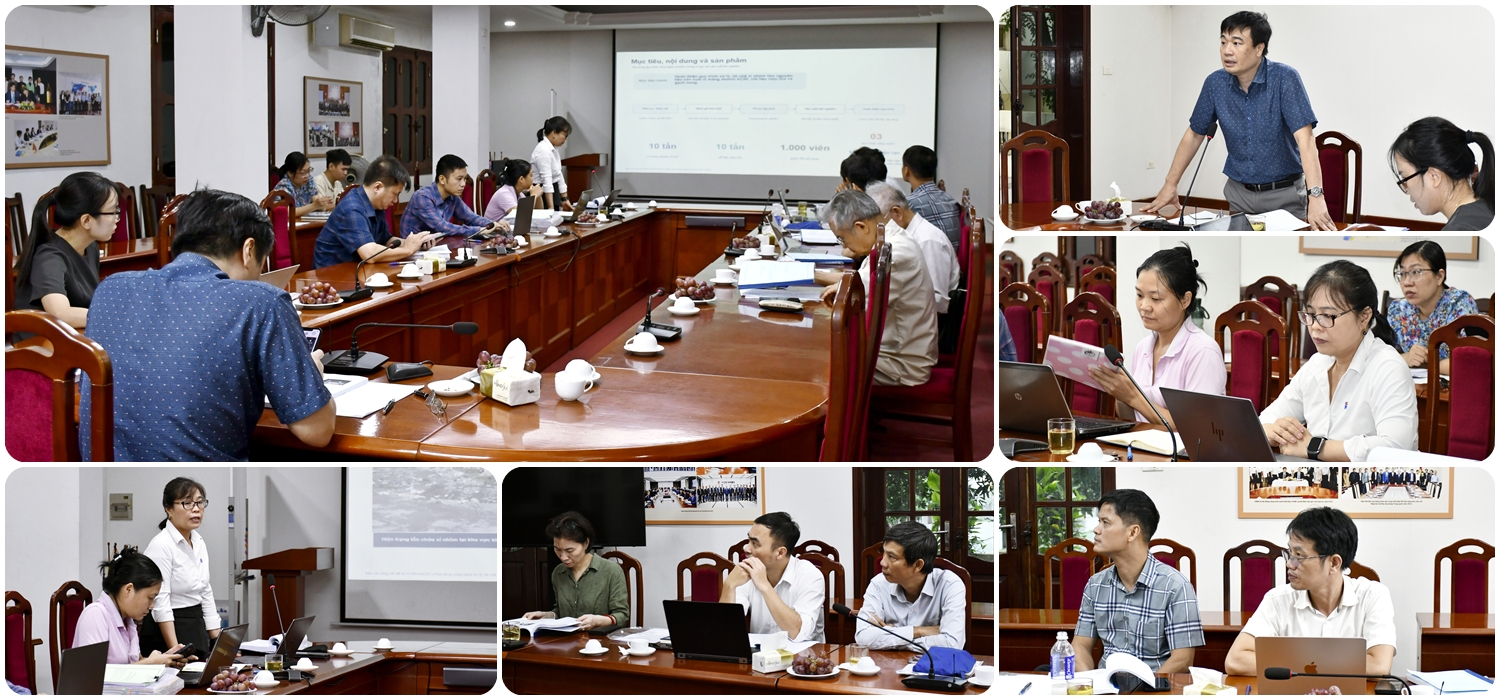
On the morning of 22 September 2023, the Scientific Council of the Vietnam Institute for Building Materials (VIBM) met to review and accept at institutional level two draft national standards (TCVN): “Stationary source emissions – Determination of greenhouse gas (GHG) emissions in energy-intensive industries – Part 1: General”, code TC 41-22, led by MSc. Tran Thi Phuong Thuy; and “Stationary source emissions – Determination of greenhouse gas (GHG) emissions – Part 3: Cement industry”, code TC 42-22, led by MSc. Nguyen Thi Tam. Assoc. Prof. Dr. Le Trung Thanh, Council Chair and Director of VIBM, chaired the meeting.
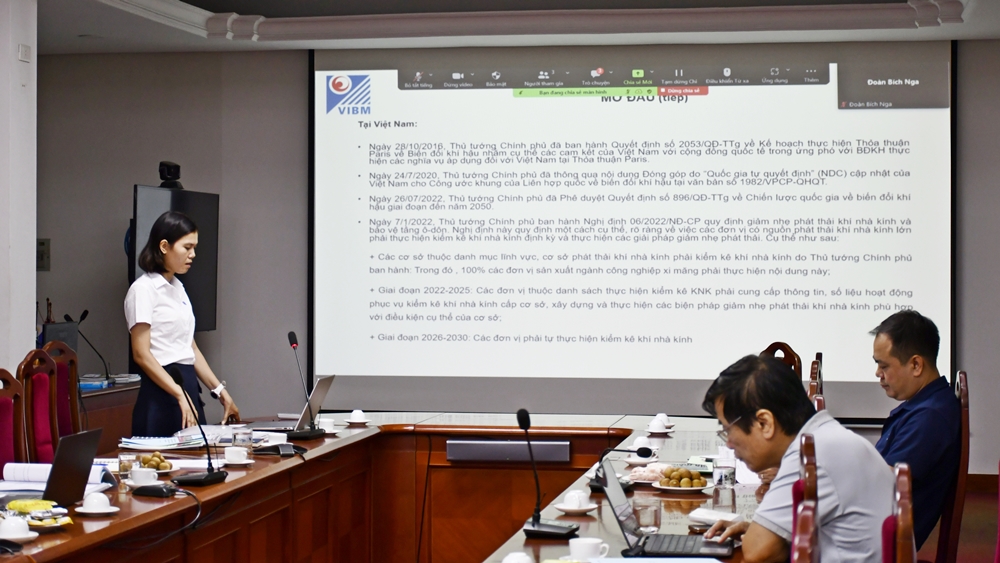
At the meeting, on behalf of the project team, MSc. Tran Thi Phuong Thuy presented an overview of the draft standards “Stationary source emissions – Determination of GHG emissions in energy-intensive industries – Part 1: General” and “Stationary source emissions – Determination of GHG emissions – Part 3: Cement industry”, noting that at the 26th Conference of the Parties to the UN Framework Convention on Climate Change (COP26), Vietnam committed to achieving net-zero emissions by 2050. Decree 06/2022/ND-CP requires industrial facilities with annual energy consumption of 1,000 tonnes of oil equivalent (TOE) or more to conduct greenhouse gas inventories. Cement production consumes large amounts of raw materials and fuel. CO2 is generated during clinker burning from fuel combustion and raw material decomposition, along with other gases such as NOx, SO2… Greenhouse gases are also emitted from transport and from engines running on diesel and petrol.
The draft TCVN XXX:2023 “Stationary source emissions – Determination of GHG emissions in energy-intensive industries – Part 1: General” and draft TCVN XXX:2023 “Stationary source emissions – Determination of GHG emissions – Part 3: Cement industry” were developed to supplement the national standards system, align with international standards and provide a legal basis for calculating greenhouse gas emissions for GHG inventories in the cement industry as required by the Government.
After the project leaders presented the drafts, the VIBM Science and Technology Council discussed and commented on the content, agreed to accept the drafts and asked the project teams to finalise their reports in line with the Council’s comments for submission to the Ministry of Construction for acceptance as required.
Selected photos from the meeting:
Centre for Equipment, Environment and Occupational Safety (now the Centre for Environment and Construction Mechanics)