Evaluating the Thermal Resistance (R-value) and Thermal Transmittance (U-value) of Building Envelopes to Meet QCVN 09:2017/BXD
(Evaluation of the R-value or U-value of the building envelope to meet QCVN 09:2017/BXD) In the context of climate change, energy efficiency in buildings is a priority from planning, design and appraisal through construction, completion and operation.


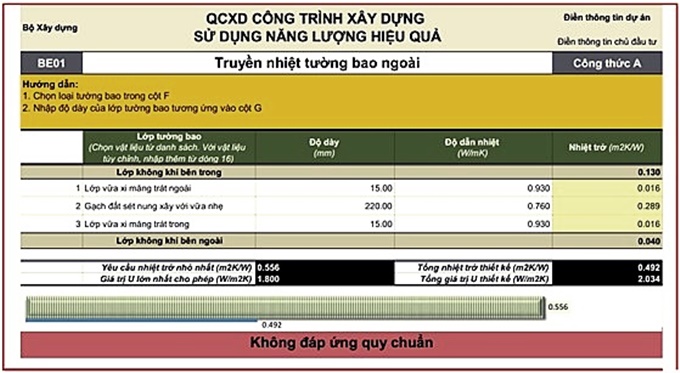
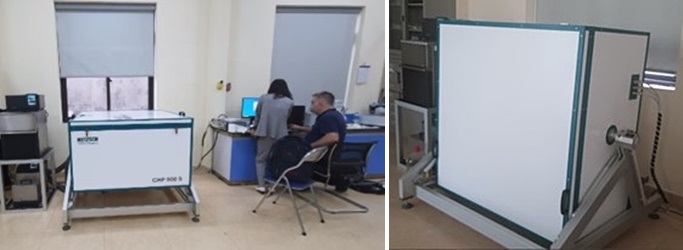
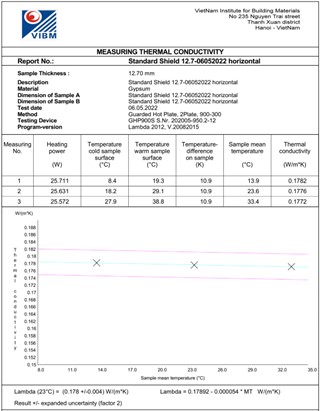
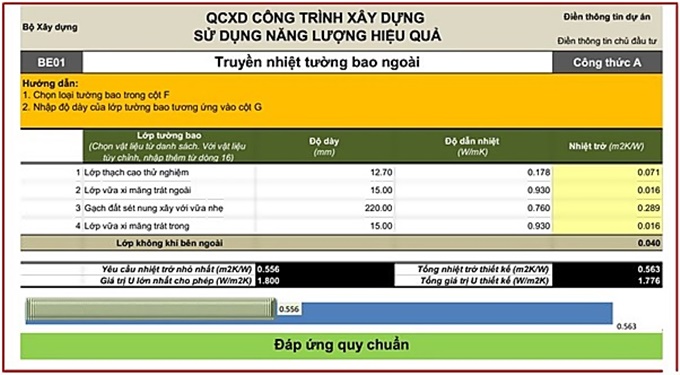
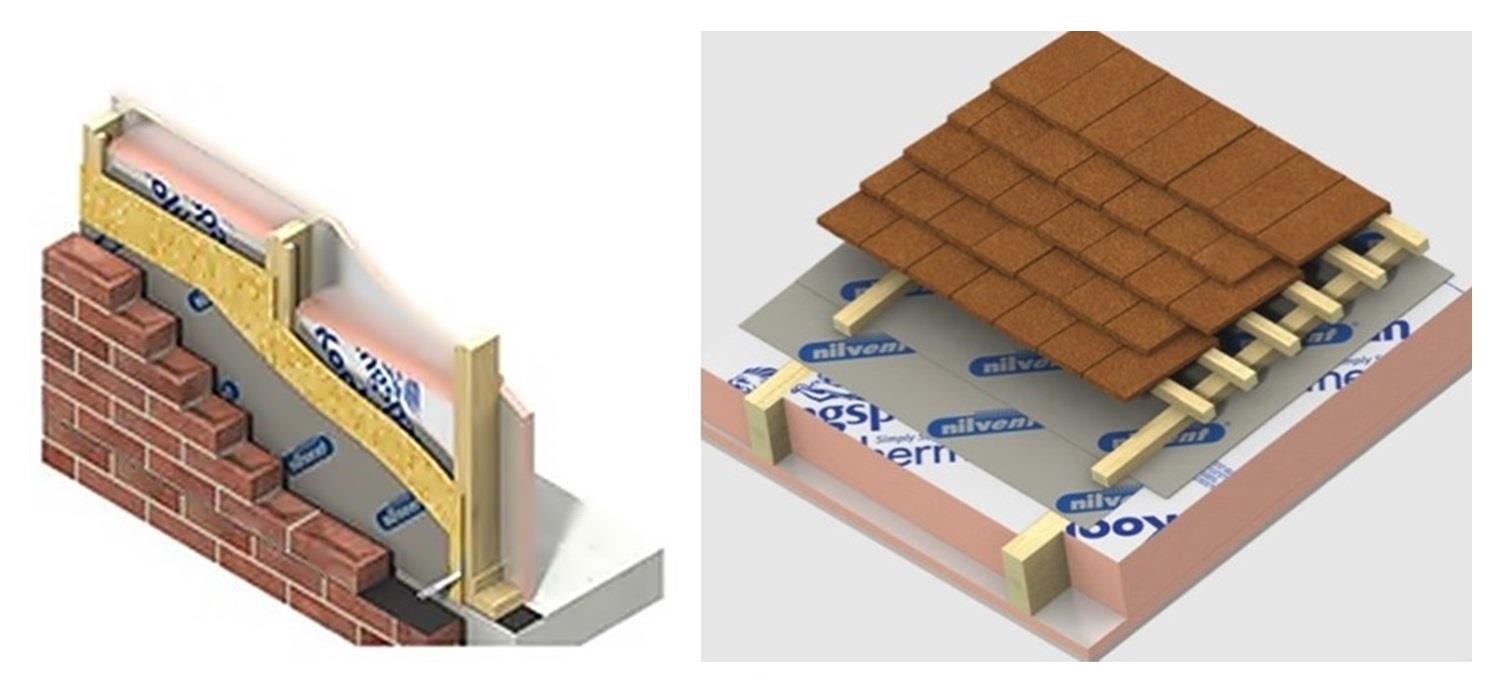
Figure 1 – Example of wall and roof assemblies with multiple material layers
Towards green growth in construction, the Government has for many years directed the Ministry of Construction to finalise the national technical regulation on energy-efficient buildings. QCVN 09:2017/BXD is the current regulation on energy-efficient buildings, issued by the Ministry of Construction under Circular 15/2017/TT-BXD of 28 December 2017 and effective from 1 June 2018. It sets technical requirements for the building envelope to reduce heat gain (or heat loss) by conduction and to control heat transfer through walls and roofs, thereby reducing energy consumption in buildings.
Requirements for the building envelope:
In large buildings in tropical climates, 45%–65% of energy is used for air-conditioning and about 15% for lighting. Proper envelope design in Vietnam can reduce the energy consumed for both cooling and lighting.
The building envelope consists of the physical structures separating the interior from the exterior – walls, windows and roofs. In most building types in Vietnam, heat transfer through the envelope is the main cause of increased cooling energy use. Walls and roofs usually consist of several material layers of different thicknesses and thermal properties. The overall U-value or R-value of the envelope is therefore a combination of the thermal conductivity (λ) and thickness of each layer. The lower the U-value, the lower the heat transfer; conversely, the higher the R-value, the better the insulation of the envelope. The total thermal resistance is calculated as follows:
Where:
- hN, hT are the external and internal surface heat transfer coefficients of the envelope (W/m2.K);
- bi is the thickness of material layer i (m);
- λi is the thermal conductivity of material layer i in the envelope (W/m.K);
- n is the number of material layers in the envelope;
- Ra is the thermal resistance of the air layer within the envelope (m2.K/W);
To evaluate whether the insulation performance of a building envelope meets the requirements of QCVN 09:2017/BXD, the thermal conductivity and thickness of each component layer must be determined.
Figure 2 – Example evaluation of the insulation performance of a traditional brick wall
Centre for Environment and Construction Mechanics – VIBM is one of the leading research units in testing and detailed calculation of thermal and optical properties – including the U-value, total R-value, Solar Heat Gain Coefficient (SHGC) and Visible Light Transmittance (VLT) – of complete envelope assemblies such as walls, roofs, windows and doors, and in evaluating the shading performance of shading devices and blinds in accordance with standards such as TCVN 11857, ISO 15099, NFRC 200, EN 410, EN 13663 and JIS A 2103. We test, calculate and evaluate the thermal performance of materials and envelopes for compliance with QCVN 09:2017/BXD.
Figure 3 – Guarded hot plate apparatus for measuring the thermal conductivity of materials and building assemblies
Figure 4 – Thermal conductivity results for a gypsum wall board according to ISO 8302:1991
Figure 5 – Example evaluation of the insulation performance of a material assembly meeting QCVN 09:2017/BXD
Contact details
Centre for Environment and Construction Mechanics – VIBM
Address: Lane 235 Nguyen Trai Street – Khuong Dinh – Hanoi, Vietnam
Tel: +84 24 3558 5928; +84 915 502 834; +84 912 181 479;
Fax: +84 24 3858 1112;
Email: tbmt.atld@gmail.com
Website: http://vibm.vn
Cao Chien