Determining the Thermal Properties (SHGC, U-value, VLT) of Windows and Doors
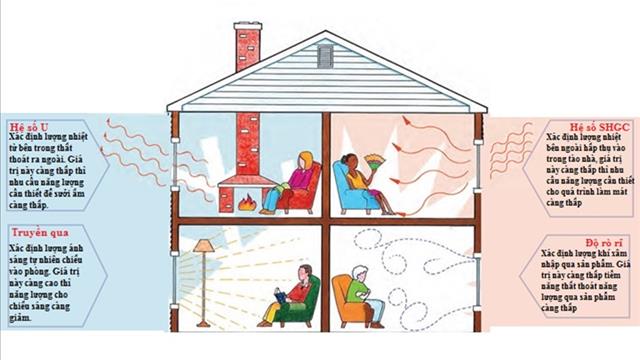
Within the building envelope, windows and doors play an important role in a building’s energy consumption. Windows affect the energy used for lighting and cooling mainly through their thermal and optical properties: the thermal transmittance (U-value), the Solar Heat Gain Coefficient (SHGC), the Visible Light Transmittance (VLT) and air leakage.
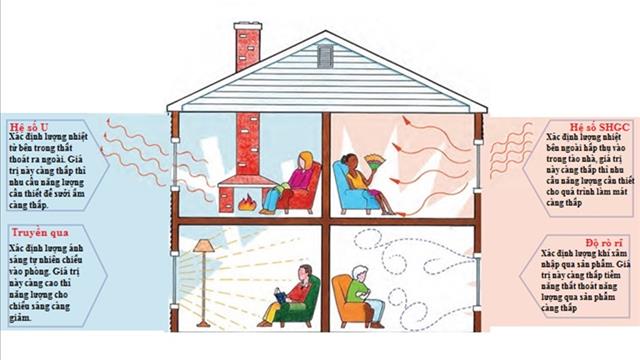
Figure 1: Thermal properties of window and door systems
The U-value describes how much heat is lost from the inside to the outside. The lower this value, the less energy is needed for heating in winter.
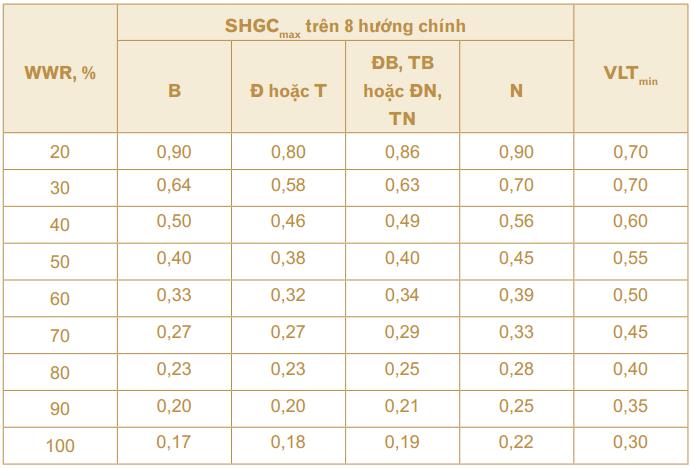
The SHGC is the fraction of solar energy that enters the interior of a building through windows and doors as solar radiation. SHGC is a thermal property used to determine solar heat gain through the window system and ranges from 0 to 1. The higher the SHGC, the more heat is transmitted, which affects the building’s cooling load. Glazing with a low SHGC is more energy-efficient at reducing unwanted heat gain than glazing with a high SHGC.
Visible Light Transmittance (VLT) determines how much natural light enters a room. The higher the VLT, the lower the energy demand for building lighting. Air leakage determines how much air infiltrates through windows and doors. The lower this value, the lower the potential energy loss through window and door systems.
The energy-efficiency building code specifies the U-value of external walls and the SHGC of windows. Determining the thermal and optical properties of window and door systems is therefore essential to assess whether window and door products comply with QCVN 09/BXD on energy-efficient buildings in Vietnam.
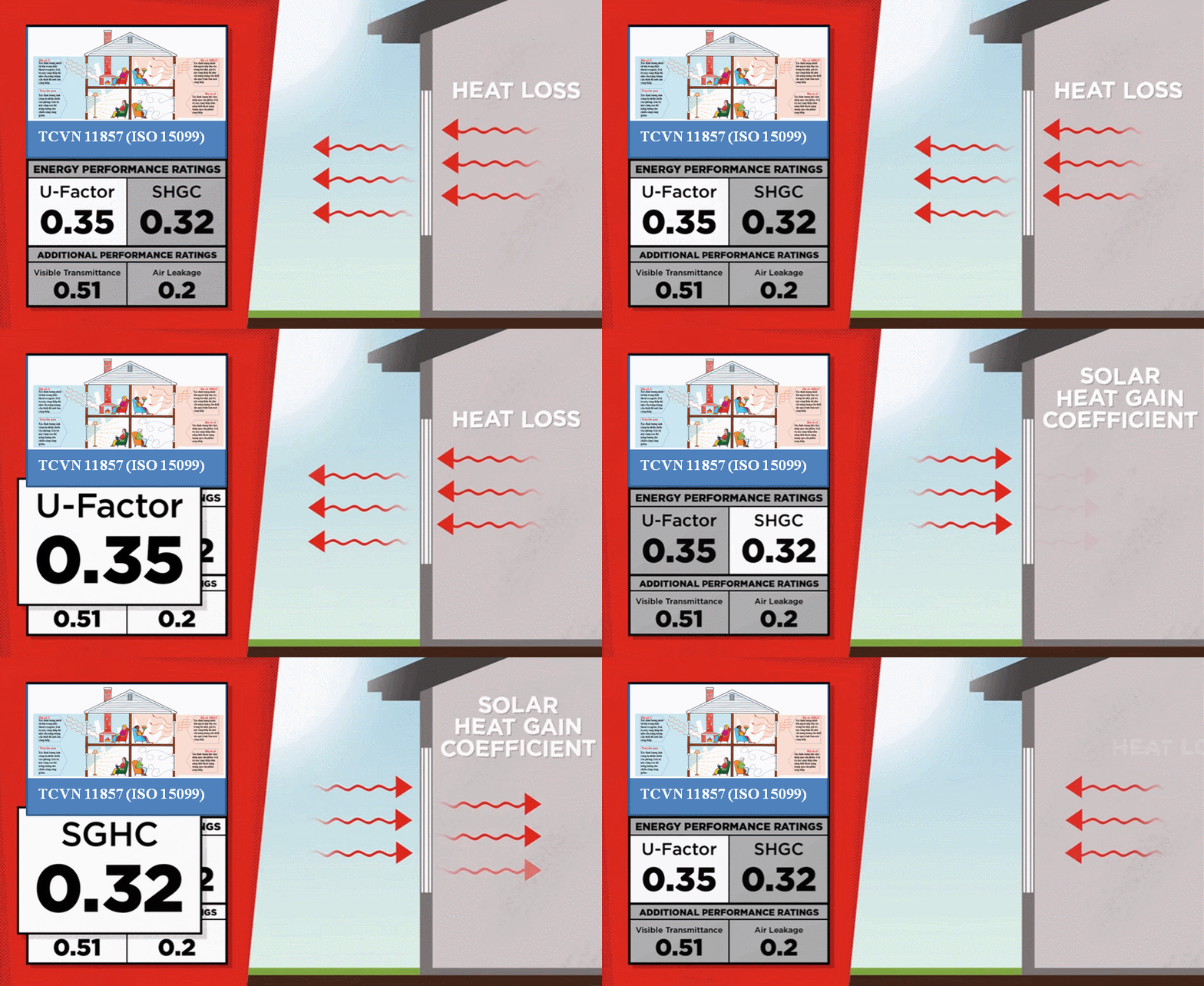
Figure 2. Thermal properties of windows and doors
Table 1: Thermal transmittance requirements for the building envelope
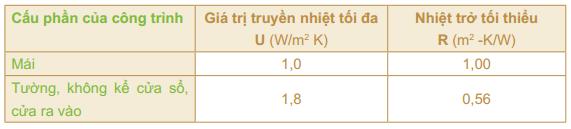
Table 2: SHGC and VLT requirements for window glazing
The laboratory of the Centre for Environment and Construction Mechanics, Vietnam Institute for Building Materials, can perform detailed calculations of thermal and optical properties – including the U-value, Solar Heat Gain Coefficient (SHGC) and Visible Light Transmittance (VLT) – of complete window and door assemblies in accordance with TCVN 11857, ISO 15099, NFRC 200, EN 410, EN 13663 and JIS A 2103. We test, calculate and assess the conformity of window and door systems with QCVN 09:2013/BXD.