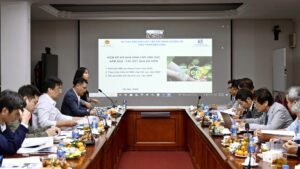
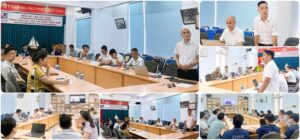
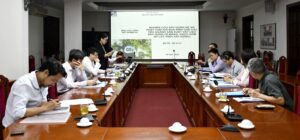
VIBM: Outdoor Testing for the Hygrothermal Performance Assessment of Building Materials under Real Weather Conditions
(Outdoor testing for the hygrothermal performance assessment of building materials under real weather conditions)
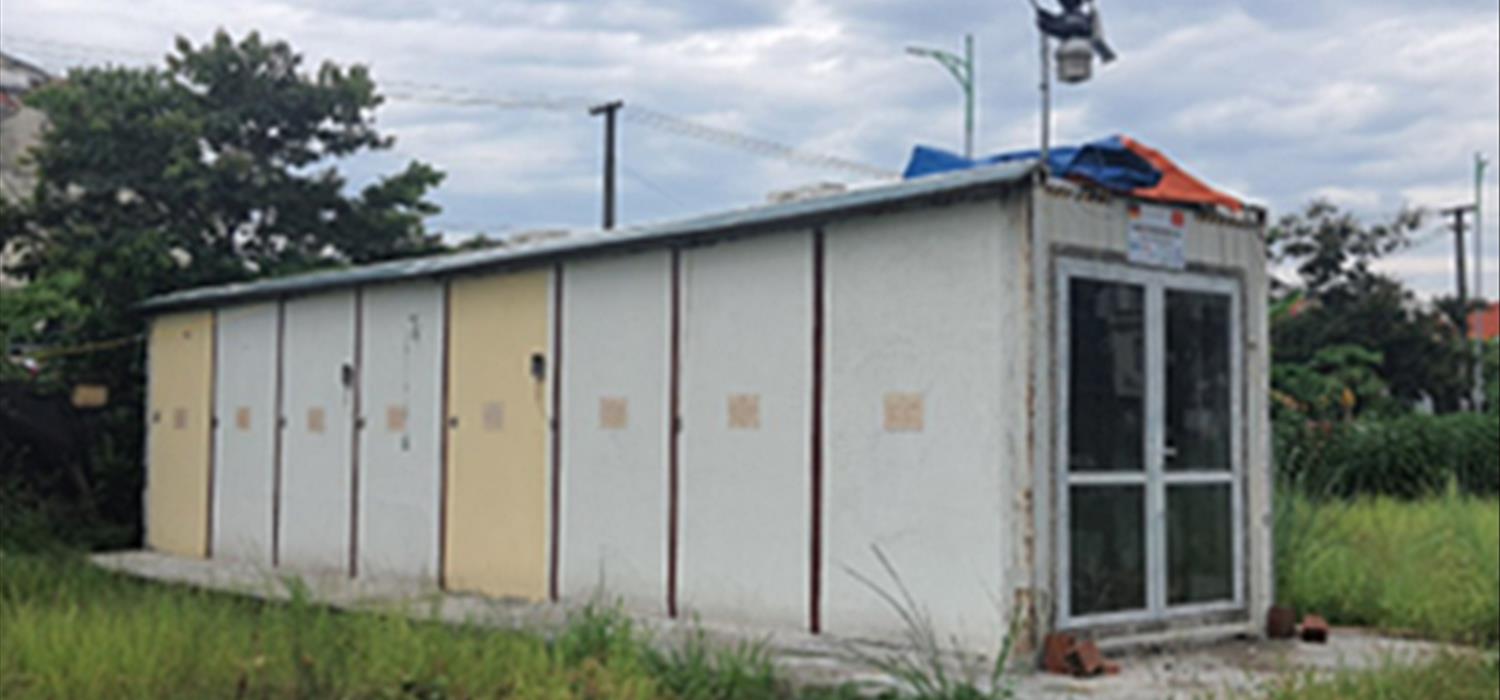
VIBM’s outdoor test facility in Ha Long (Quang Ninh)
In many countries, outdoor testing is the only way to gain deeper insight into the hygrothermal behaviour of building materials and structures. Within the framework of the Vietnamese–German research cooperation project “Climate-Adapted Material Research for the Socio-Economic Context of Vietnam” (CAMaRSEC), the Vietnam Institute for Building Materials (VIBM) was supported by leading experts from renowned research organisations – the University of Stuttgart (Germany), the University of Hamburg (Germany) and the Fraunhofer Institute for Building Physics (Germany) – in establishing Vietnam’s first outdoor laboratory for studying the hygrothermal properties of building materials.
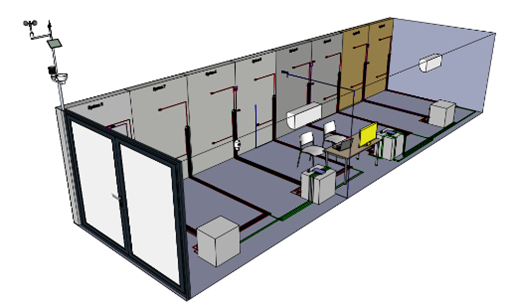
The laboratory is housed in a 40-foot container with 8 wall test bays, each built from one of 8 material assemblies, including traditional materials such as fired clay bricks, foam concrete blocks and AAC blocks, as well as new domestic and imported materials under test. Numerous temperature, humidity and heat-flux sensors are installed inside and outside the material layers of each wall bay to collect real-time data on moisture content, relative humidity, internal and external wall temperatures, surface heat flux and driving rain on the wall. The laboratory is located in Ha Long City, Quang Ninh Province. This site was chosen for its relatively harsh climate, with cold winters and higher rainfall than other climate zones in Vietnam. Meteorological data are collected by an automatic weather station that continuously records all necessary weather parameters, providing a very detailed long-term weather dataset at the test site.
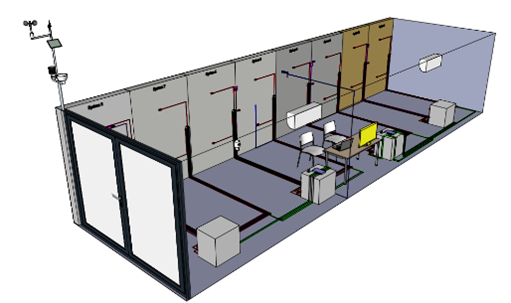
Model of sensor and equipment positions inside the laboratory
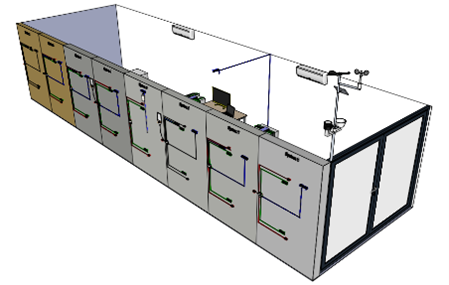
Model of sensor positions on the external wall bays of the laboratory
The main objective of the tests is to study the moisture-related properties of building materials and their effects on building structures and indoor conditions. Such tests represent real service conditions better than laboratory tests, whose practical relevance is largely unknown. The research also aims to assess the influence of thermal resistance on the hygrothermal behaviour of building components. This means that problems of interior surface condensation and mould growth can only be solved by requiring a minimum thermal resistance for envelope components in buildings.
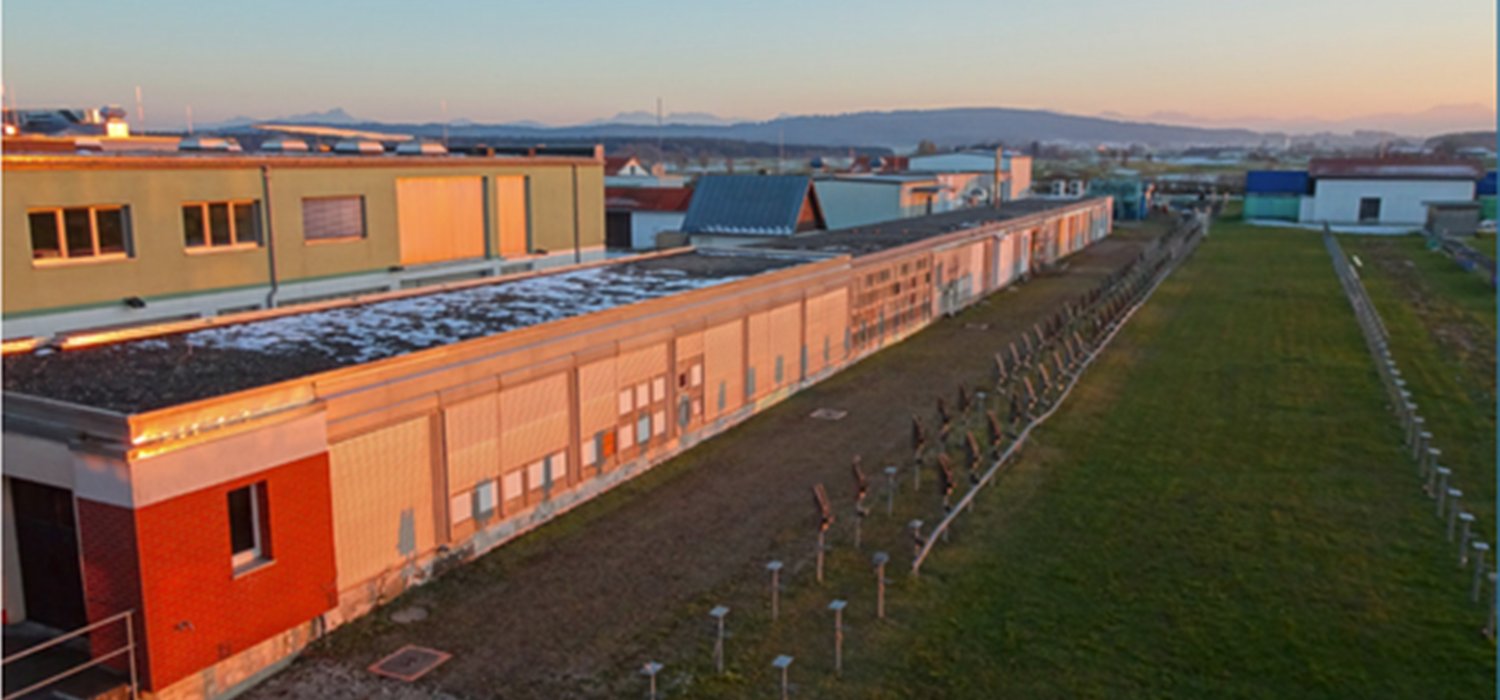
Outdoor test site at the Fraunhofer Institute for Building Physics (source: https://www.ibp.fraunhofer.de/)
Germany’s first outdoor test site was established in 1951 and still operates today. After more than 70 years, the outdoor test site at the Fraunhofer Institute for Building Physics has grown to three times its original size, showing that the research questions requiring testing under real weather conditions keep increasing and that such testing is an indispensable research direction for building materials and construction. Field studies carried out at outdoor test sites in Germany showed that traditional external protection against wind-driven rain was insufficient. Base-coat renders must suit the underlying substrate, yet no single base coat suits all wall materials. External water-repellent renders can be assessed by their water absorption and water-vapour diffusion resistance, which are now standard technical parameters in Germany. These studies drove the development of the ready-mixed dry mortar industry in many countries, including Vietnam. In addition, external thermal insulation composite systems have become increasingly popular because of their energy performance and durability. However, apart from fire safety, hygrothermal behaviour remains a challenge on which scientists have focused in recent years – for example, surface staining from the growth of micro-organisms such as mould and algae, rainwater leakage at joints or water ingress, especially around windows, and moisture control for renewable or nano insulation materials replacing foams and mineral wool, as well as for external finishes such as ceramic tiles, glass panels or cladding tiles.
Besides masonry and plastering mortars, another research topic at outdoor test sites is the effect of gypsum boards and interior coatings on indoor air. Studies show that indoor relative humidity is affected by moisture sorption and desorption at interior surfaces and furnishings. Hygroscopic materials reduce indoor humidity fluctuations by absorbing water vapour generated by occupant activities such as cooking, bathing and cleaning, and releasing it when dry air conditions prevail (for example, when windows are open).
Since 1973, the energy crisis has strongly driven research on energy efficiency, such as higher insulation requirements, efficient air-conditioning systems and ventilation-related energy losses. The research carried out reflects developments in heat, air and moisture control in construction. Energy-saving research efforts have been quite successful, leading to “zero energy” or even energy-plus buildings. While a large stock of buildings still has little or no insulation, the energy needed to operate new buildings has become smaller than the energy needed to construct them and manufacture their materials. Research in construction is therefore shifting towards lightweight structures that use less energy, preferably made from renewable or recycled materials. Today’s demands on buildings are also diverse: saving energy while meeting higher requirements for safety, hygiene and comfort, and making increasing use of renewable energy and materials for environmental sustainability, is a global trend. There are also growing requirements for damage prevention and durability of building products. These outdoor tests provide a basis for optimising products for reliable use and durability, and for developing solutions based on hygrothermal analysis to improve hygrothermal comfort, reduce energy consumption and control humidity conditions in buildings.
Selected images of the construction and installation of the outdoor laboratory:
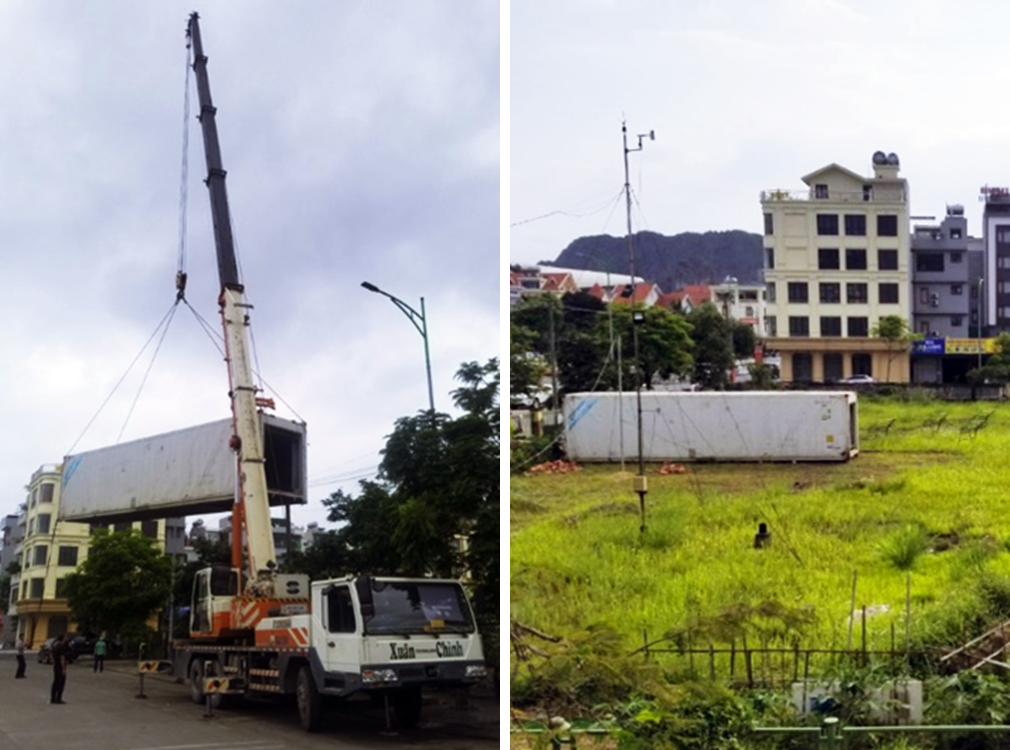
Transporting and installing the outdoor laboratory
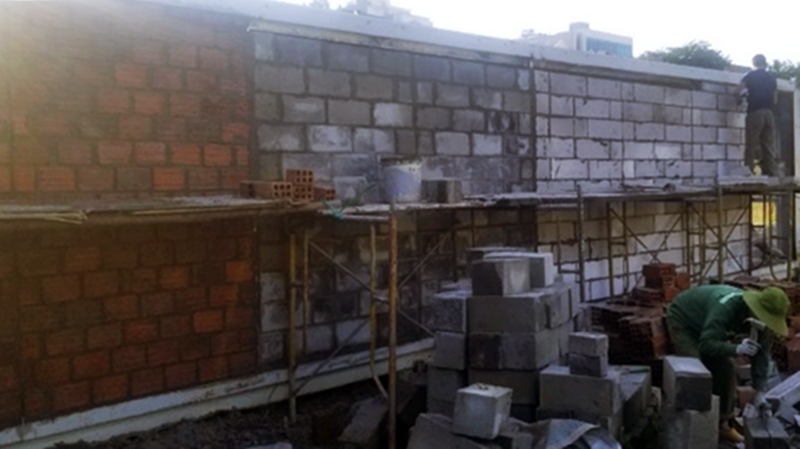
Building the test walls with materials commonly available on the market
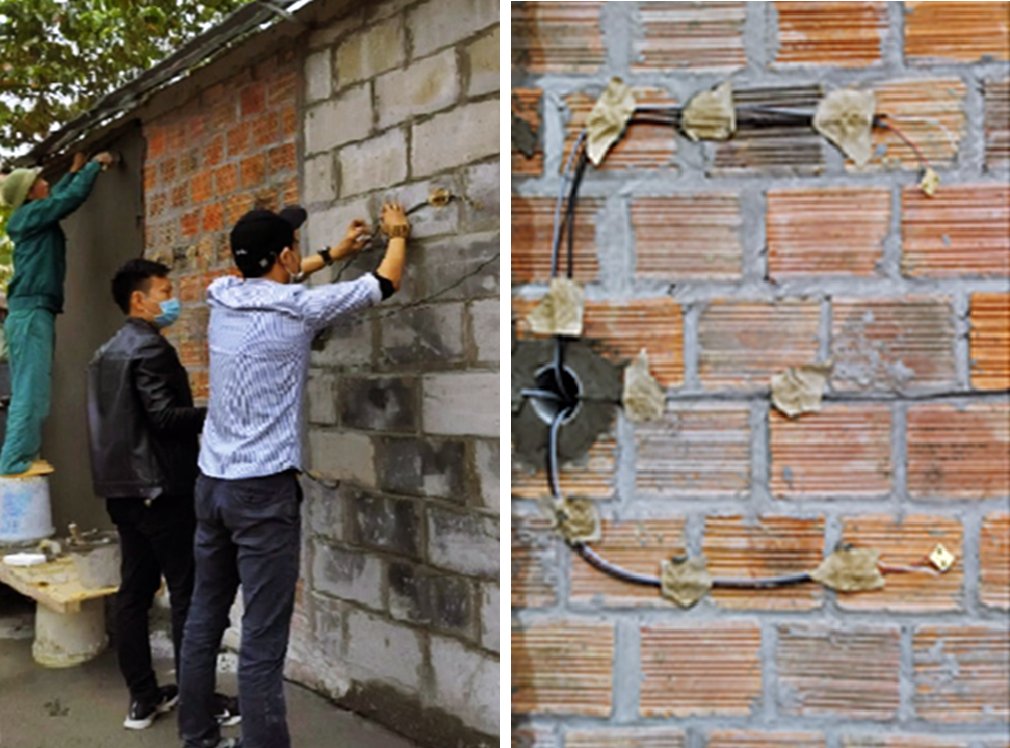
Installing measurement sensors inside the wall assemblies
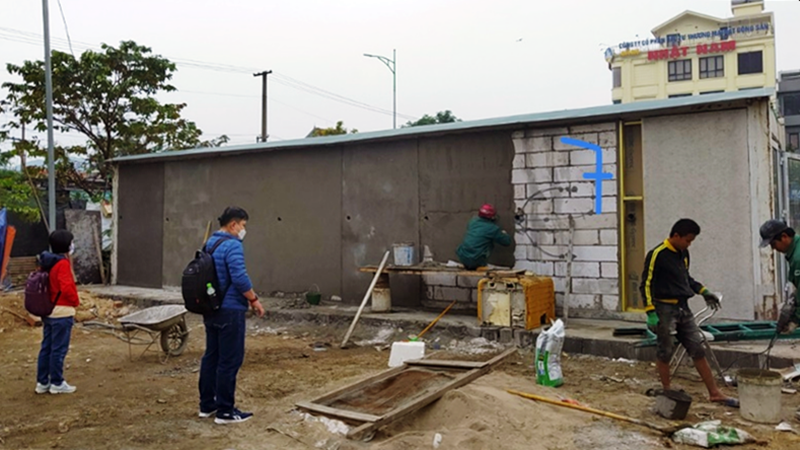
Applying the finishing render to the test bays
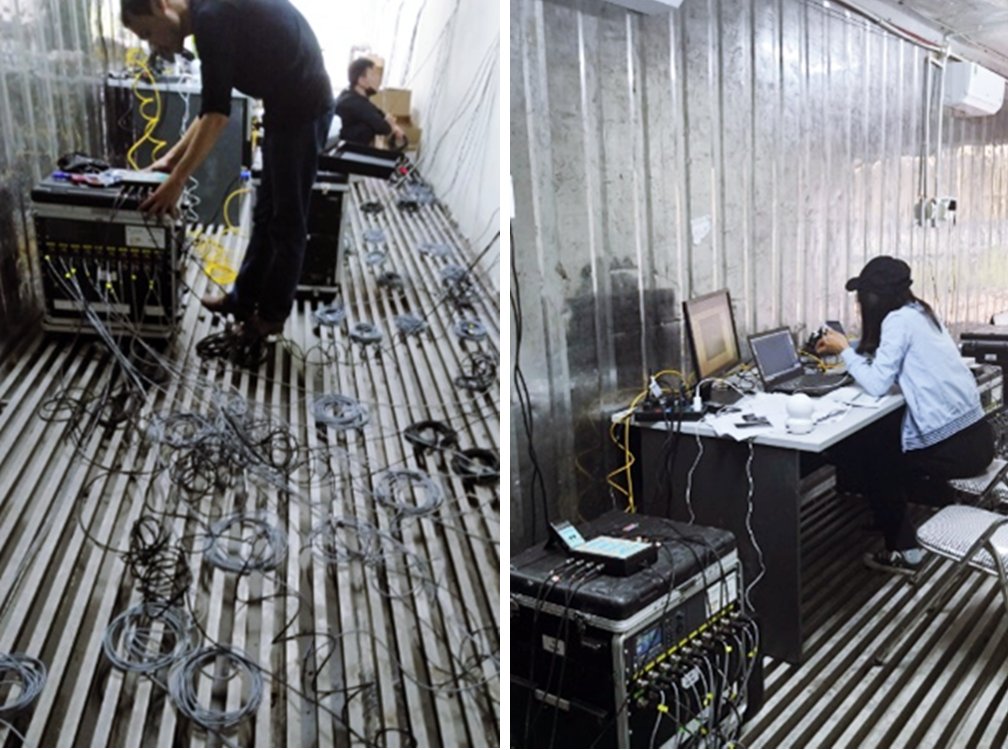
Connecting the sensors to the data acquisition system
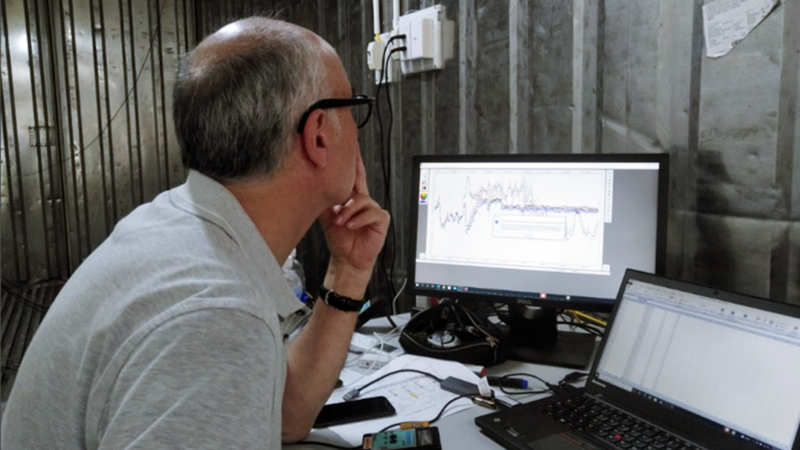
German experts checking the data
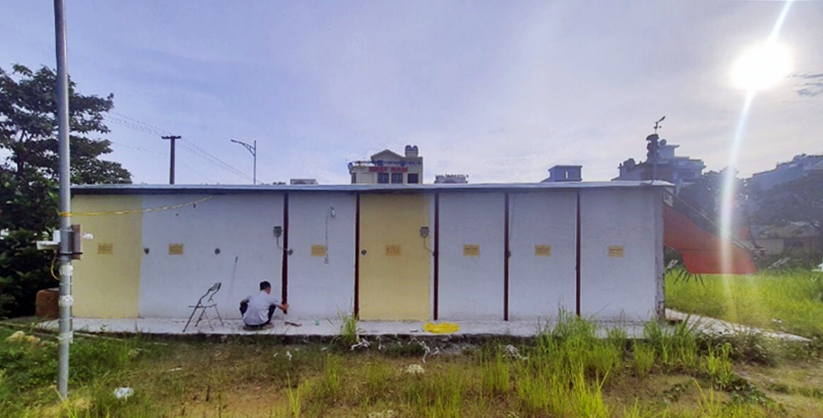
The completed outdoor laboratory
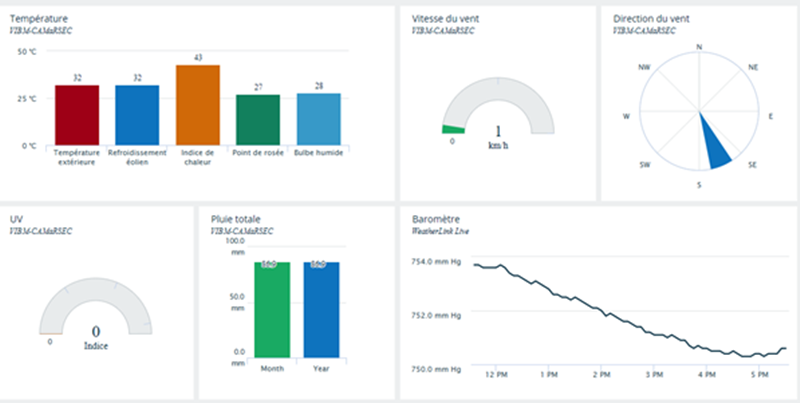
Data collected continuously in real time, planned through June 2023
Centre for Environment and Construction Mechanics – VIBM is one of the leading units in research and testing of the hygrothermal properties of materials; climate simulation and field research; testing new products to check customer products under real outdoor service conditions and under harsh laboratory conditions; and testing and evaluating advanced properties of products and building materials such as antibacterial and anti-mould properties and energy-saving properties for energy-efficient and green buildings in Vietnam.